Growing German Chamomile in your garden provides delicate daisy-like blooms, sweet apple-like fragrance, and flowers perfect for soothing herbal teas.
German Chamomile (Matricaria chamomilla) is an herbaceous annual plant of the Asteraceae family. This delicate, fragrant herb is native to Western Asia and Europe, where it has been cultivated for centuries for its medicinal and aromatic properties.
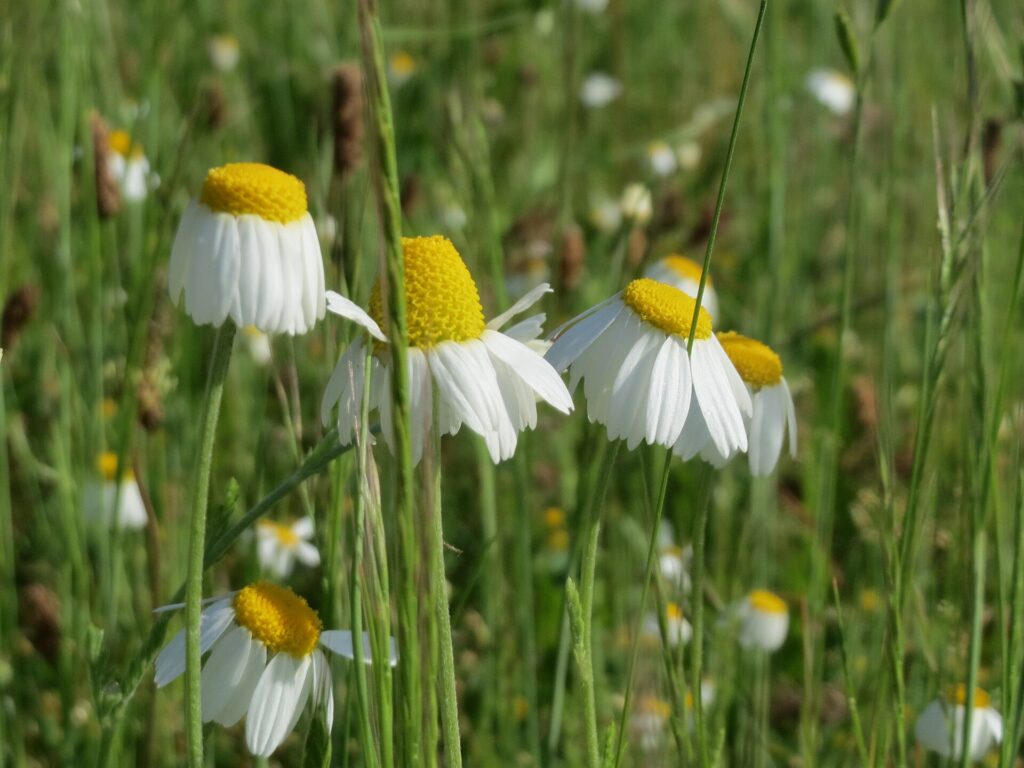
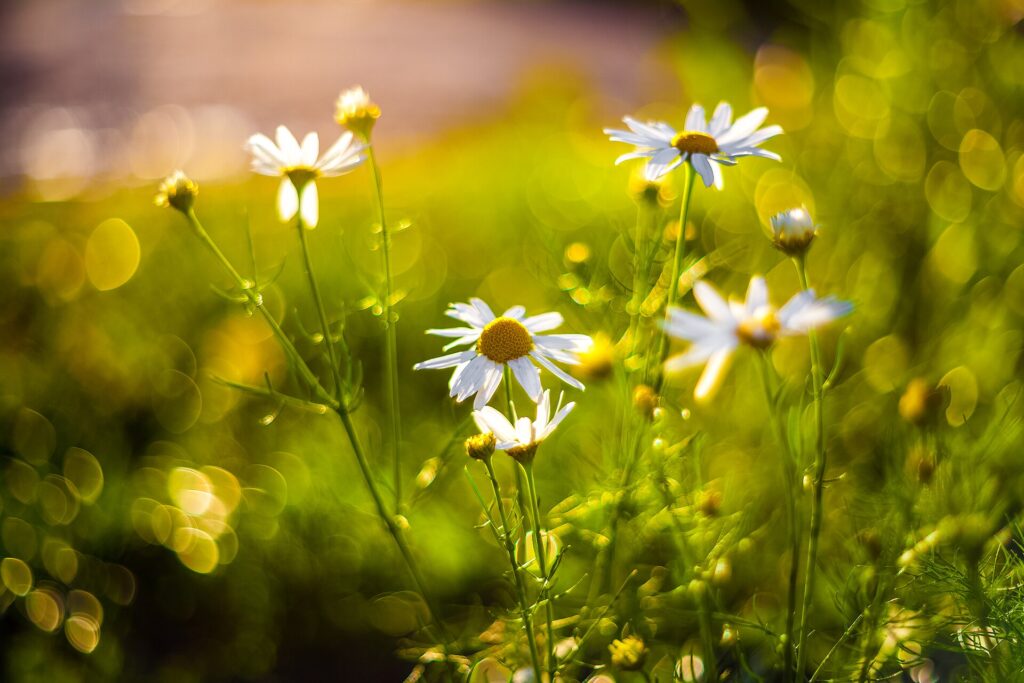
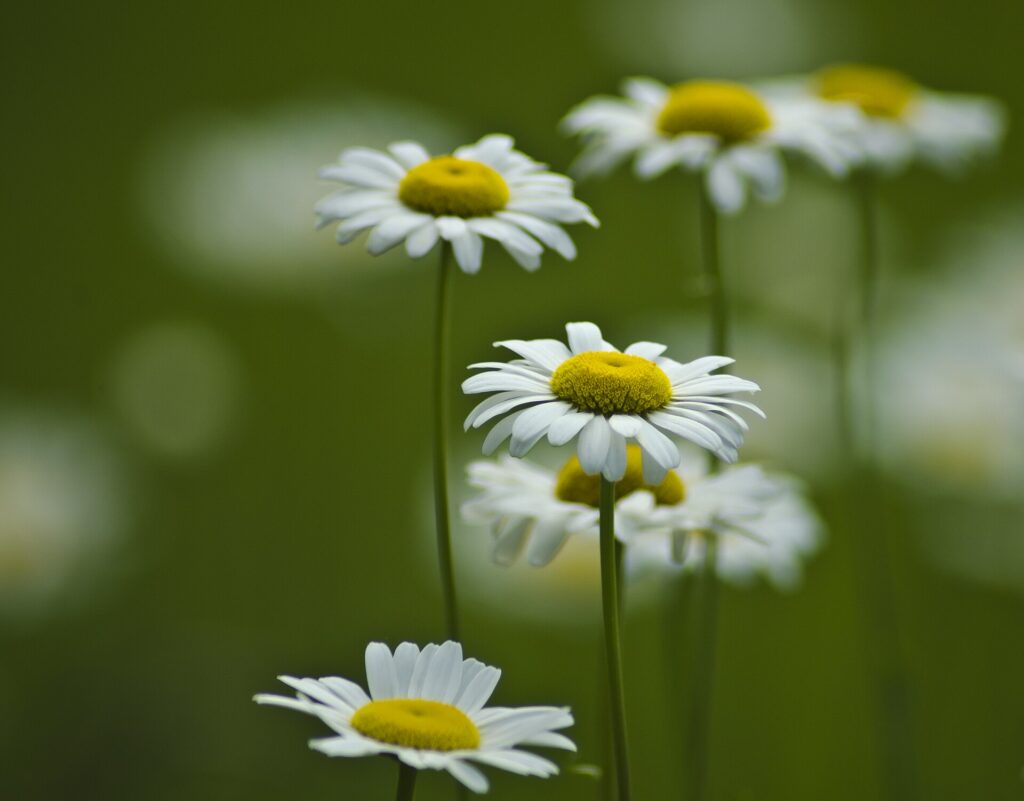
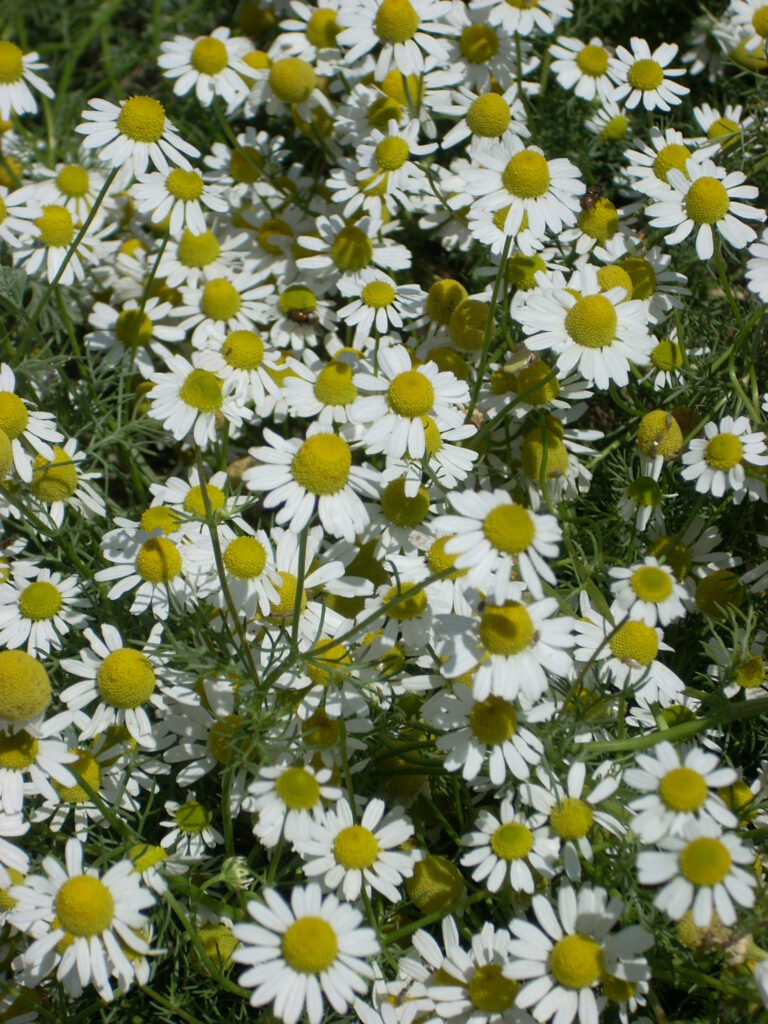
German Chamomile blooms feature delicate white petals with bright yellow centers, resembling miniature daisies. The fine, feathery foliage creates an airy, delicate texture in garden beds. It is valued not only for its beauty but also for its therapeutic properties, particularly its high chamazulene content that creates an extra sweet and floral scent.

There are two different types of chamomile to choose from. German Chamomile is an annual that grows tall and bushy with abundant flowers, perfect for tea.
Roman Chamomile, however, is a low-growing perennial groundcover sometimes used as a fragrant and pollinator-friendly lawn grass substitute.
Both make lovely herbal tea, but German Chamomile produces far more flowers and has a sweeter flavor, making it the preferred choice for tea production.
This guide focuses on growing German Chamomile.
When to Start German Chamomile Seeds
The timing for starting German Chamomile seeds varies based on your USDA Hardiness Zone. This annual herb can be started indoors for earlier blooms or direct sown outdoors once the weather warms.
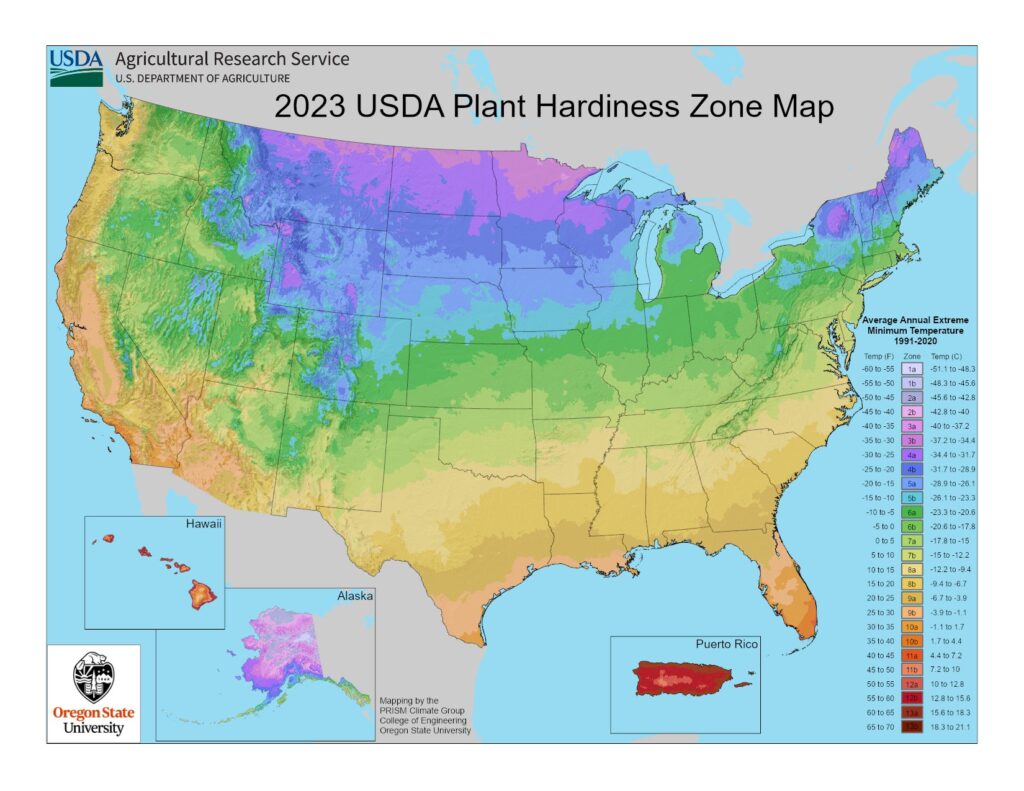
In Zones 3-5
Start German Chamomile seeds indoors 4-6 weeks before the last expected frost date. This timing allows seedlings to be well-established for spring transplanting.
Direct sow outdoors after all danger of frost has passed and soil has warmed to at least 60°F, typically in late spring.
In Zones 6-8
Start seeds indoors 3-4 weeks prior to the last frost date. The milder climate provides flexibility for outdoor planting.
Direct sow outdoors after the last frost when soil has warmed, typically in mid to late spring. German Chamomile can also be sown in fall for winter and early spring blooms in these zones.
In Zones 9-12
Starting indoors is optional in these warm climates. If you choose to start indoors, do so 2-4 weeks before transplanting outdoors.
Direct sow outdoors in fall for winter and spring blooms, or in late winter for spring and summer flowers. German Chamomile can be sensitive to extreme heat, so planting in fall or late winter for cooler-season blooms produces the best results.
How to Start German Chamomile from Seed
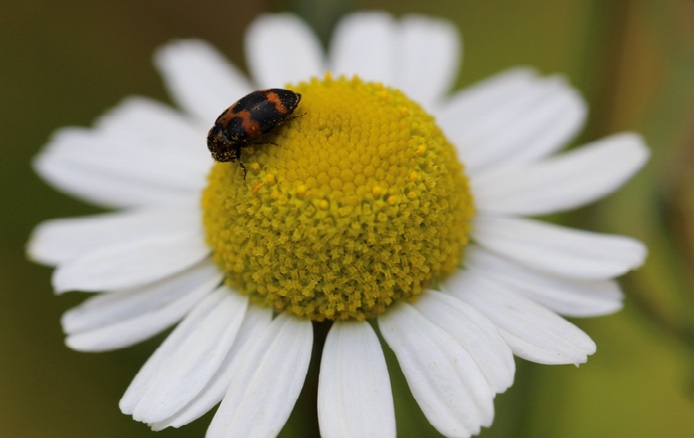
To get a head start on the growing season, start growing German Chamomile from seed indoors in seed starter trays. German Chamomile seeds are very small and require light to germinate, so special care must be taken when sowing.
Choosing or Making a Seed Starting Mix
Choose or prepare a seed starting mix suitable for growing German Chamomile. A light, well-draining mix is essential. You can make your own mix by combining peat moss, perlite, and vermiculite in equal parts.
Choosing Containers for Starting German Chamomile
Opt for cell trays or small pots with drainage holes to prevent waterlogging. 2-3 inch deep containers are ideal for starting chamomile seeds indoors.
Depth to Plant
German Chamomile seeds are very tiny and need light to germinate, so surface sow them on moist soil. Press the seeds gently into the surface without covering them. The seeds must have contact with the soil but also exposure to light.
Moisture Requirement for Seeds
Keep the seed starting mix consistently moist but not waterlogged. Using a spray bottle helps maintain moisture without disturbing the tiny seeds. Mist the surface regularly to keep it from drying out.
Optimal Temperature for Germination
Maintain a consistent temperature of 65-70°F for ideal germination. German Chamomile germinates well at moderate temperatures and does not require additional heat from a heat mat.
Light Requirements for Germination
German Chamomile seeds REQUIRE light for germination. Do not cover the containers with dark materials. A clear plastic dome or plastic wrap can help maintain humidity while still allowing light to reach the seeds.
Time to Germination
German Chamomile seeds typically germinate in 7-14 days. Once the seedlings have two sets of true leaves and reach a height of 2-3 inches, they are ready for transplanting into the garden.
Prepare a Garden Bed for Growing Chamomile
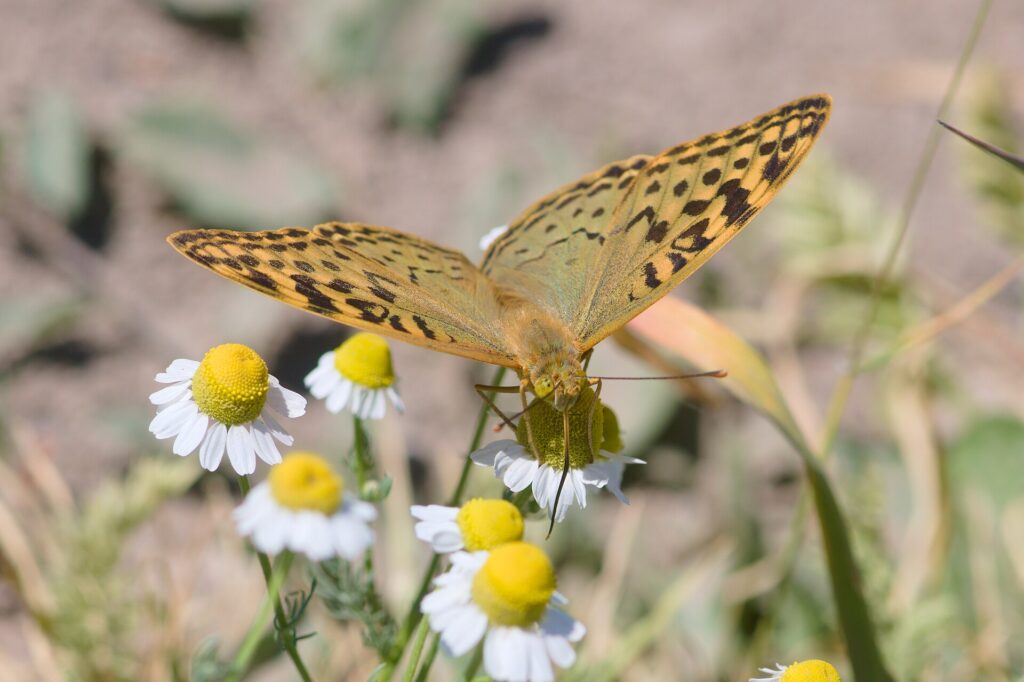
Select a sunny location with at least 6-8 hours of direct sunlight per day. German Chamomile thrives in full sun but can tolerate some light afternoon shade, especially in hot climates.
Ensure that the chosen spot receives ample sunlight, as German Chamomile flourishes in bright, sunny conditions. Full sun is preferable, but it can tolerate partial shade.
German Chamomile prefers well-drained soil and does not thrive in waterlogged conditions. Ensure proper drainage in the garden bed to avoid excessive moisture. Once established, this herb is surprisingly drought-tolerant.
Growing German chamomile plants prefer moderately fertile, loamy soil with a neutral to slightly acidic pH (around 6.0-7.0).
Like many herbs, chamomile does not require rich soil and actually performs well in average to poor soils. Avoid over-fertilizing, as this can reduce the essential oil content of the flowers.
Transplanting Growing Chamomile
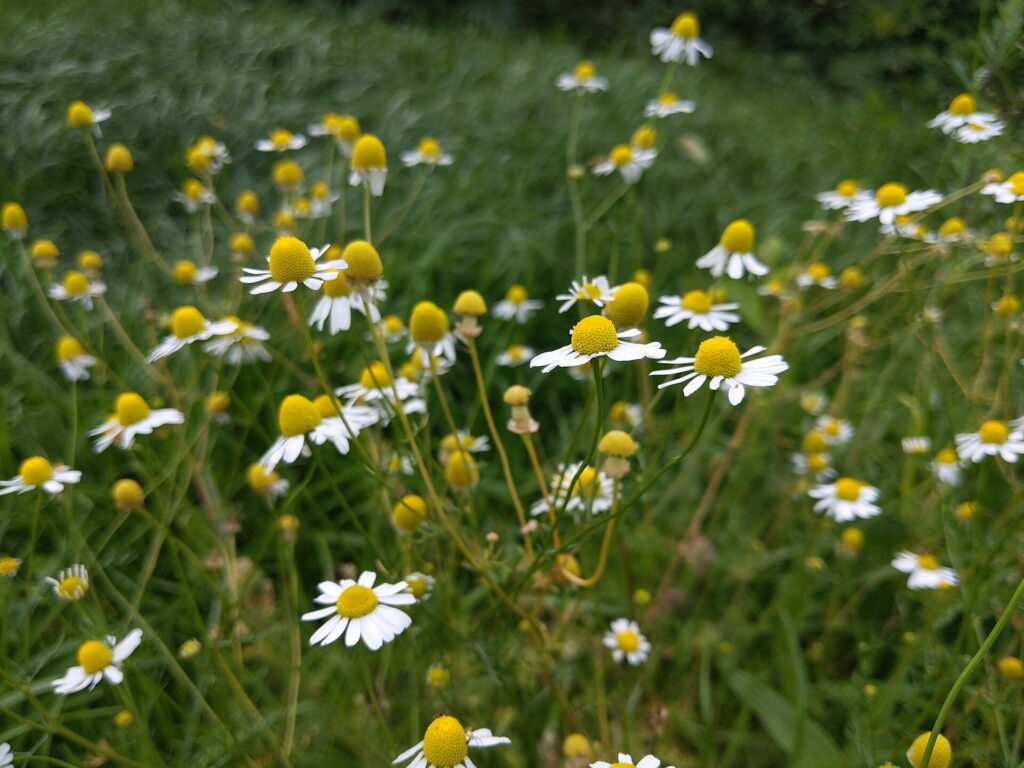
German Chamomile seedlings are ready for transplanting into the garden when they have at least two sets of true leaves and reach a height of about 2-3 inches.
At this stage, they are sturdy enough to withstand outdoor conditions and can be safely planted in the garden bed. Handle the delicate seedlings carefully as they have thin stems.
Hardening Off German Chamomile Starter Plants
About 7-10 days before the planned outdoor transplant date, begin hardening off your German Chamomile seedlings. Choose a mild, overcast day to start.
Place the seedlings in a shaded or partially shaded area for 2-3 hours. Protect them from strong winds or heavy rain, as the delicate stems can be damaged.
Over the next few days, gradually increase the time they spend outdoors and expose them to a bit more direct sunlight each day. Continue to shield them from harsh weather conditions.
Pay attention to your seedlings for any signs of stress, like wilting or discoloration. If you notice these symptoms, reduce their outdoor exposure temporarily.
After 7-10 days, your German Chamomile seedlings should be accustomed to outdoor conditions. They can now be planted in your prepared garden bed.
Hardening off is a crucial step to acclimate your indoor-started German Chamomile seedlings to the outdoor environment, preventing transplant shock and ensuring their successful adaptation to garden conditions.
Planting German Chamomile Plants into the Garden
Dig a hole in your prepared garden bed that is about the same depth as the container the German Chamomile plant is currently in. Gently remove the plant from its container and place it in the hole, ensuring that the soil level of the plant matches that of the garden bed.
Space German Chamomile plants 6-8 inches apart. This closer spacing is appropriate for chamomile’s smaller size and allows the plants to support each other as they grow.
Water your newly planted German Chamomile thoroughly to help settle the soil and eliminate air pockets. Keep the soil consistently moist during the first few weeks while plants establish their root systems.
Apply a 1-2 inch layer of organic mulch, such as straw or compost, around the base of the plants. A lighter mulch layer is best for chamomile, as excessive mulch can retain too much moisture. Mulch helps retain some soil moisture, suppress weeds, and regulate soil temperature.
Caring for German Chamomile Plants
German Chamomile plants prefer evenly moist soil while establishing but become increasingly drought-tolerant as they mature. Water regularly during the first few weeks after transplanting, then reduce watering frequency. Once established, water only when the soil surface becomes dry. In hot and dry conditions, occasional deep watering may be necessary. Avoid overhead watering to prevent fungal issues.
German Chamomile is not a heavy feeder. In most cases, average garden soil provides sufficient nutrients. Avoid fertilizing established plants, as this can reduce the essential oil content of the flowers and create excessive foliage at the expense of blooms. If your soil is very poor, a light application of compost at planting time is sufficient.
Regularly remove weeds from the garden bed, as they compete for nutrients and space. The mulch you applied can help suppress weed growth. Once chamomile plants fill in, they will shade out most weeds naturally.
Tips and Tricks for Growing German Chamomile
Regular harvesting of flowers encourages continuous blooming and prevents the plants from becoming leggy.
Supports
German Chamomile plants typically grow 12-24 inches tall with delicate, branching stems. In most situations, they do not require support. However, in very windy locations or if plants become top-heavy with flowers, placing some twiggy branches among the plants can provide gentle support.
Avoiding and Treating Disease
Proper spacing and good air circulation can help prevent common fungal diseases.
Avoid overhead watering to reduce the risk of fungal issues. Water at the base of plants instead.
German Chamomile is generally disease-resistant. If signs of diseases such as powdery mildew or damping off appear, improve air circulation by thinning plants if needed and reduce watering frequency.
Caring for German Chamomile plants primarily involves providing adequate moisture during establishment, then allowing plants to become drought-tolerant. These practices, along with regular harvesting for continuous blooming, will ensure healthy and productive chamomile plants in your garden.
Additional Tips for Growing German Chamomile
German Chamomile attracts beneficial insects including tiny parasitic wasps, hoverflies, and native bees. These helpful insects provide natural pest control in vegetable gardens.
If you want to encourage self-seeding, allow some flowers to go to seed at the end of the season. This will result in volunteer German Chamomile plants in the following growing season. Chamomile self-seeds readily in favorable conditions.
German Chamomile makes an excellent companion plant for vegetables, particularly brassicas. Some gardeners believe it improves the health and flavor of neighboring plants.
What to Expect From German Chamomile
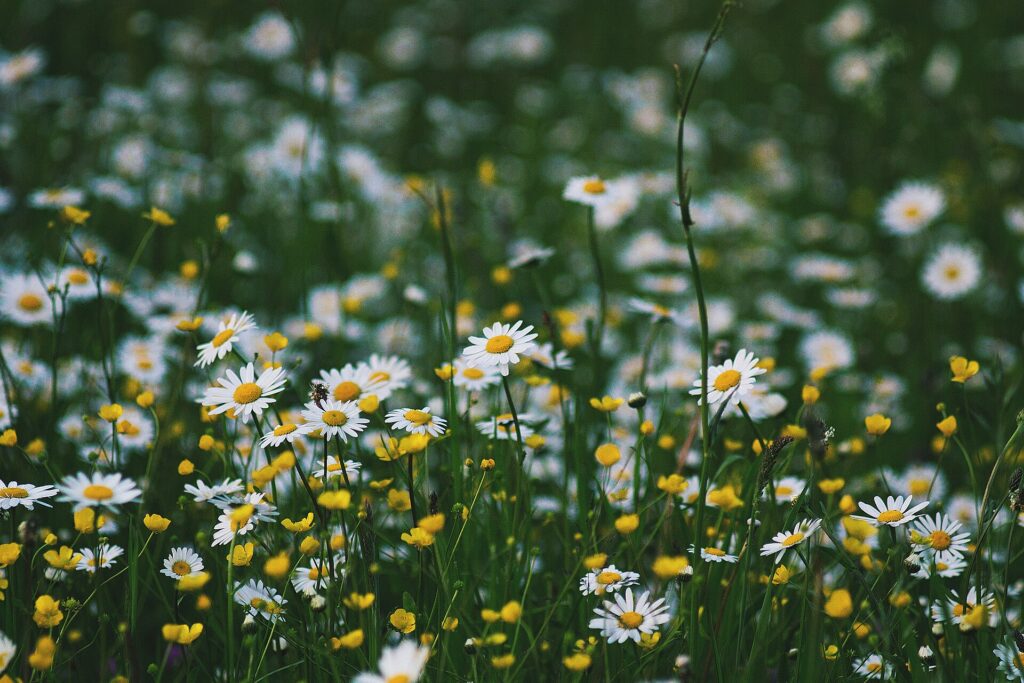
German Chamomile typically begins to bloom 8-10 weeks after sowing and continues throughout late spring and summer. In cooler climates, blooming extends into early fall. Expect delicate white flowers with bright yellow centers appearing in abundance during this time.
German Chamomile is an annual in all USDA growing zones and will not survive winter. However, it self-seeds readily, and volunteer plants often appear the following spring where flowers were allowed to go to seed.
The lifespan of a German Chamomile plant is one growing season. Individual flowers bloom for several days to a week, but the plant produces flowers continuously throughout its life cycle.
German Chamomile has the ability to reseed prolifically, producing new plants in the garden. To control this, deadhead spent flowers before they form seeds. To encourage reseeding, allow flowers to mature completely and drop their seeds naturally.
How to Harvest German Chamomile
Harvest German Chamomile flowers when they are fully open, ideally in mid-morning after the dew has dried but before the heat of the day. The flowers are at peak essential oil content at this time.
Pick individual flowers by pinching them off at the base, or use scissors to cut stems with multiple flowers. Regular harvesting encourages the plant to produce more blooms.
Harvesting Chamomile for Tea
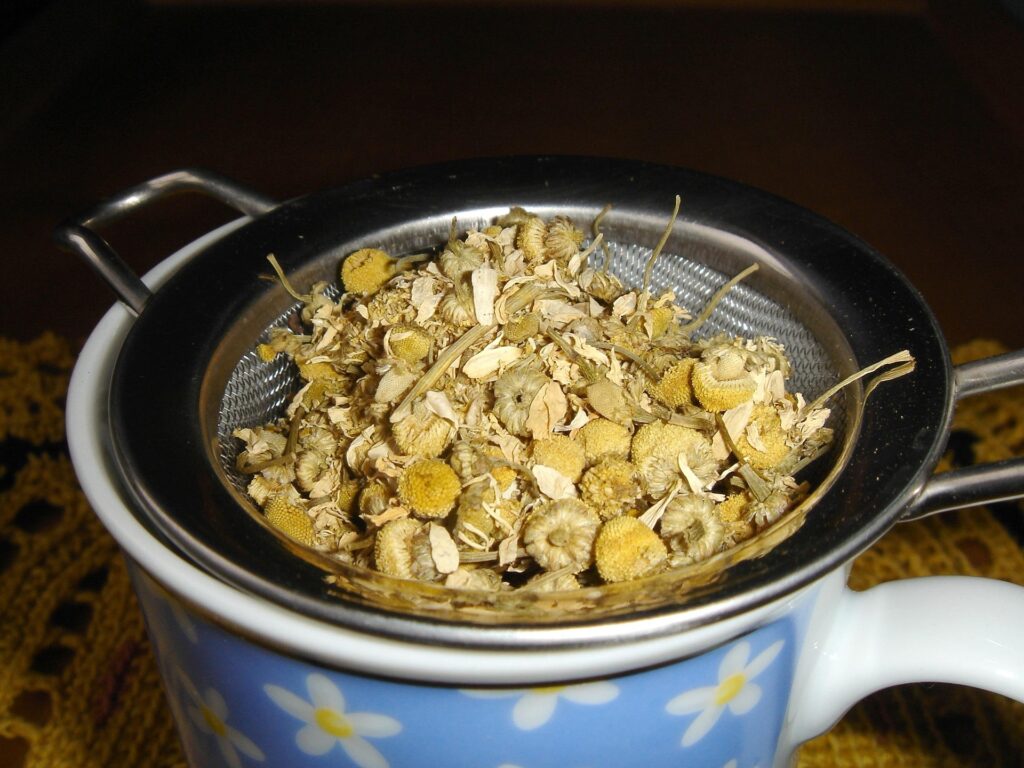
For fresh tea, use flowers immediately. For dried tea, spread flowers on a screen or cloth in a warm, dry, shaded location with good air circulation. Flowers typically dry within 3-5 days.
Store dried German Chamomile flowers in an airtight container in a cool, dark place. Properly dried and stored flowers retain their potency for up to one year.
How to Use German Chamomile for Tea

To make German Chamomile tea, use either fresh or dried flowers. For dried flowers, steep 1-2 teaspoons in a cup of boiling water for 5-10 minutes. For fresh flowers, use about twice as many. Strain and enjoy. German Chamomile tea is known for its calming, anti-inflammatory, and digestive properties.
The longer you steep chamomile, the stronger and more bitter the tea becomes. Start with 5 minutes and adjust to taste.
How to Harvest and Store German Chamomile Seeds
Allow some German Chamomile flowers to mature and dry on the plant at the end of the growing season. Once the flower heads turn brown and the petals fall away, the tiny seeds are ready for harvest.
The seeds are very small and attached to a cone-shaped receptacle. To collect the seeds, gently rub or shake the dried seed heads over a clean container or paper bag. The tiny brown seeds will fall out.
Store the German Chamomile seeds in a cool, dry place in an airtight container. Label the container with the date of collection. Chamomile seeds remain viable for about 3-4 years when properly stored.
Start Growing German Chamomile From Seed

This delicate, fragrant annual herb brings beauty, beneficial insects, and soothing tea to your garden. From its tiny light-needing seeds to abundant daisy-like blooms, German Chamomile rewards minimal care with months of harvests.
Whether you’re growing it for relaxing herbal teas, attracting pollinators, or adding apple-scented charm to your herb garden, this ancient medicinal plant is well worth the effort. Remember that gardening is not just about the final outcome but also about the growth and learning that happens along the way.
By following these tips and insights, you can make the most of your German Chamomile plants, whether growing them for tea, as an aromatic addition to the garden, or to attract beneficial insects. This ancient herb rewards minimal care with abundant fragrant blooms and valuable harvests.