One of the most common questions new gardeners ask is whether they should direct sow or transplant. Should they start seeds indoors and transplant seedlings, or just sow seeds directly into the garden?
The answer, frustratingly, is “it depends.”
On the crop, the season, your climate zone, and what you’re trying to accomplish. But once you understand the principles behind each method and which vegetables prefer which approach, the decisions become much clearer.
The truth is that some vegetables absolutely must be direct-sown because they hate having their roots disturbed. Others benefit enormously from the head start that transplanting provides.
And then there’s a whole middle category of crops that can go either way, where your choice depends on timing, convenience, and personal preference.
Let’s break down the considerations, go through specific crops, and figure out what makes sense for your Florida garden.
Understanding Why You’d Direct Sow or Transplant: The Trade-Offs

Direct sowing means planting seeds directly into your garden beds where they’ll grow to maturity. It’s simpler in some ways — no seed-starting setup required, no hardening off process, no transplant shock.
Seeds germinate in the exact conditions they’ll be growing in, and roots develop naturally without any disturbance.
The disadvantages are that you’re at the mercy of whatever weather and pest conditions exist when those seeds are germinating. A heavy rain can wash away tiny seeds. Soil-dwelling pests can eat sprouts before they even emerge.
And you’re using garden space for the entire growing period, including the slow early weeks when seedlings are tiny and not particularly productive.
Transplanting means starting seeds indoors or in a protected area, then moving established seedlings into the garden once they’re several inches tall and have multiple true leaves.
The advantages are significant: you control germination conditions completely, seedlings develop in a protected environment away from most pests and weather extremes. Best of all, you can have plants ready to go into the garden at exactly the right moment.
Transplants also give you a head start on the season, which matters enormously in Florida, where timing windows can be tight.
The disadvantages are that transplanting requires more infrastructure — seed trays, growing medium, adequate light, and space indoors or in a greenhouse.
It’s more work. And some ungrateful plants genuinely hate being transplanted and will sulk, stall, or even die if their roots are disturbed.
(I’m looking at you, Pigeon Peas!)
Vegetables That Must Be Direct-Sown

Some vegetables have root systems that are so sensitive to disturbance that transplanting them is essentially setting them up for failure. These crops need to be direct-sown, period.
Root Vegetables
Root Vegetables are the obvious category. Carrots, radishes, beets, turnips, and parsnips all develop long taproots that grow straight down, and any disturbance to those roots causes deformities, splitting, or forking.
You cannot successfully transplant a carrot.
Radishes grow so quickly that there’s no point in trying. Even beets, which technically can be transplanted if you’re extremely careful, perform much better when direct-sown.
Legumes
Beans and peas are legumes with sensitive root systems and rapid growth. Bush beans, pole beans, lima beans, and peas all germinate quickly and grow fast enough that starting them indoors provides minimal benefit while creating unnecessary transplant stress.
In Florida’s warm soil, beans germinate in less than a week, and peas aren’t far behind. Just put them in the ground where you want them.
Corn
Corn develops a strong taproot and doesn’t transplant well. It also grows so quickly that there’s no advantage to starting it indoors.
I have seen home gardeners in cooler climates with shorter growing seasons start corn in large cell blocks. I’ve tried it myself, simply trying to trick the squirrels. (Who have diligently dug up and eaten nearly every corn or sunflower seed I’ve ever planted.)
With our nearly year-round growing season, it’s not worth the trouble.
I’ve finally learned to cover newly sown corn and sunflowers with netting.
Direct sow corn where it will grow, and thin seedlings to the appropriate spacing once they emerge.
Okra
Technically, you can transplant okra, but it has a long taproot and strongly prefers being direct-sown.
Since there’s precious little else that grows well over the blistering Florida summer, save yourself the bother of starting it indoors or under cover.
And if you do transplant okra, use deep pots to avoid root disturbance and transplant while the seedlings are still small.
For all of these crops, your success in Florida depends on soil temperature and timing rather than getting a head start indoors. Wait until soil conditions are right, then sow directly.
Vegetables You Should Transplant

On the flip side, some vegetables benefit so much from transplanting that you’d be handicapping yourself by direct-sowing them, especially in Florida’s climate, where timing windows matter.
Tomatoes
Tomatoes are the classic transplanting crop. Tomato seeds take one to two weeks to germinate, and seedlings grow relatively slowly for the first several weeks.
I always start my fall tomatoes in July, so they’re ready to plant out in September. I start my spring tomatoes in December, so I can plant them out in late February.
Starting them indoors six to eight weeks (or even more) before your transplant date gives you robust plants ready to explode with growth the moment they go in the ground.
This matters in Florida because you need tomatoes established and producing before the summer heat causes blossom drop.
Direct-sowing tomatoes wastes precious weeks of prime growing weather.
Peppers
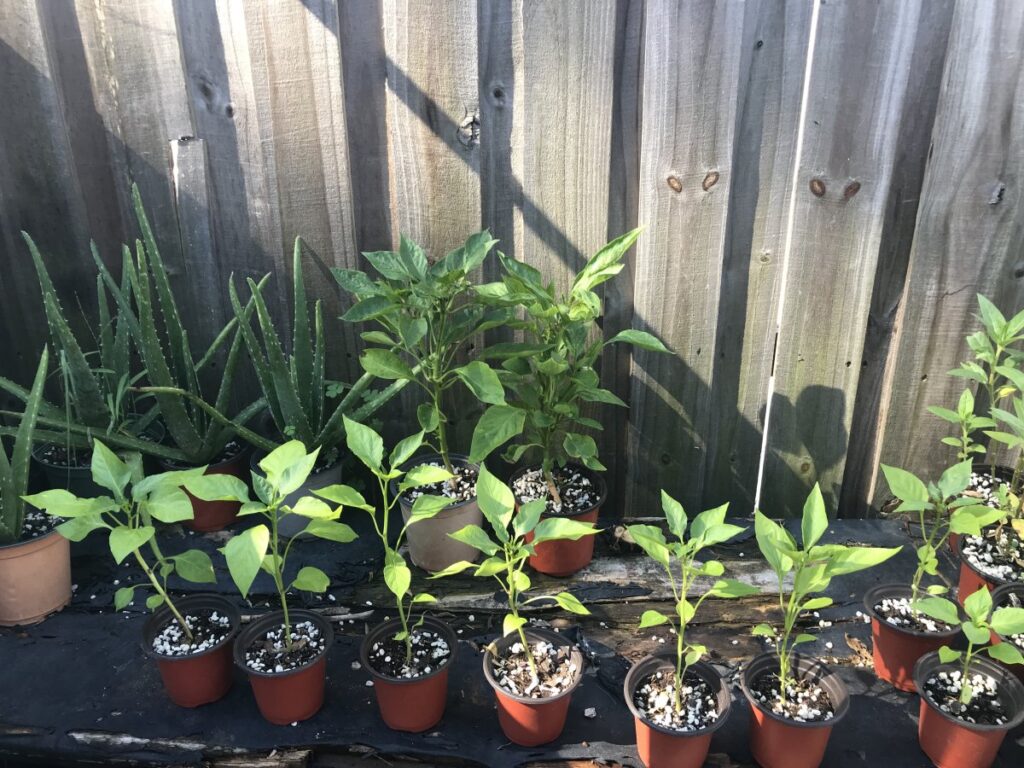
Peppers are even slower than tomatoes. Seeds can take up to two weeks to germinate, and seedlings develop at a crawl compared to other vegetables.
To be honest, I’ll start my peppers “whenever.” I know I have three or four months before they simply must be planted out. They’re perennial in Florida, so you can plant out peppers any time of the year.
Starting peppers indoors eight to ten weeks before transplanting gives them the time they need to become productive plants.
Direct-sowing peppers in Florida means you’ll be harvesting in July when conditions are miserable for both you and the plants. While you can plant them out any time of year, they’re less productive and prone to sun scorch in the summer. Better to plant them so they fruit in May and June when weather is still manageable.
Eggplant
Eggplant follows the same logic as peppers — slow germination, slow early growth, and a need for a long season to produce well. Start them indoors six to eight weeks before transplanting.
Brassicas

Brassicas — including broccoli, cabbage, cauliflower, and Brussels sprouts — can technically be direct-sown, but transplanting works much better in Florida.
Starting them indoors gives you control over germination conditions and protects seedlings during their vulnerable early stage. It also lets you transplant robust plants that can handle Florida’s variable weather.
Brassicas started indoors in late summer or early fall can be transplanted in October and will produce much more reliably than direct-sown seeds. That just leaves them vulnerable to heat, pests, and weed pressure when they’re at their most fragile.
Finally, the best reason to start them indoors is that it’s one garden chore you can do indoors in July and August when the summer heat is brutal.
Salad Greens
Lettuce and salad greens fall into an interesting middle category, but in Florida’s climate, transplanting often works better for head-forming types like romaine and butterhead.
You can start seeds in flats, transplant them at appropriate spacing, and get more uniform, better-sized heads.
Loose-leaf lettuce can go either way, but transplanting lets you maximize space efficiency and timing.
Another option for loose-leaf types of lettuce is to direct sow them into outdoor containers. This way, you can move them in and out of the sun or shade as needed.
Celery
Celery is notoriously difficult to germinate and grows very slowly from seed. It absolutely should be started indoors, and even then, it requires patience.
Celery seeds can take two to three weeks to germinate, and seedlings need several months of growth before transplanting.
Vegetables You Can Direct Sow OR Transplant
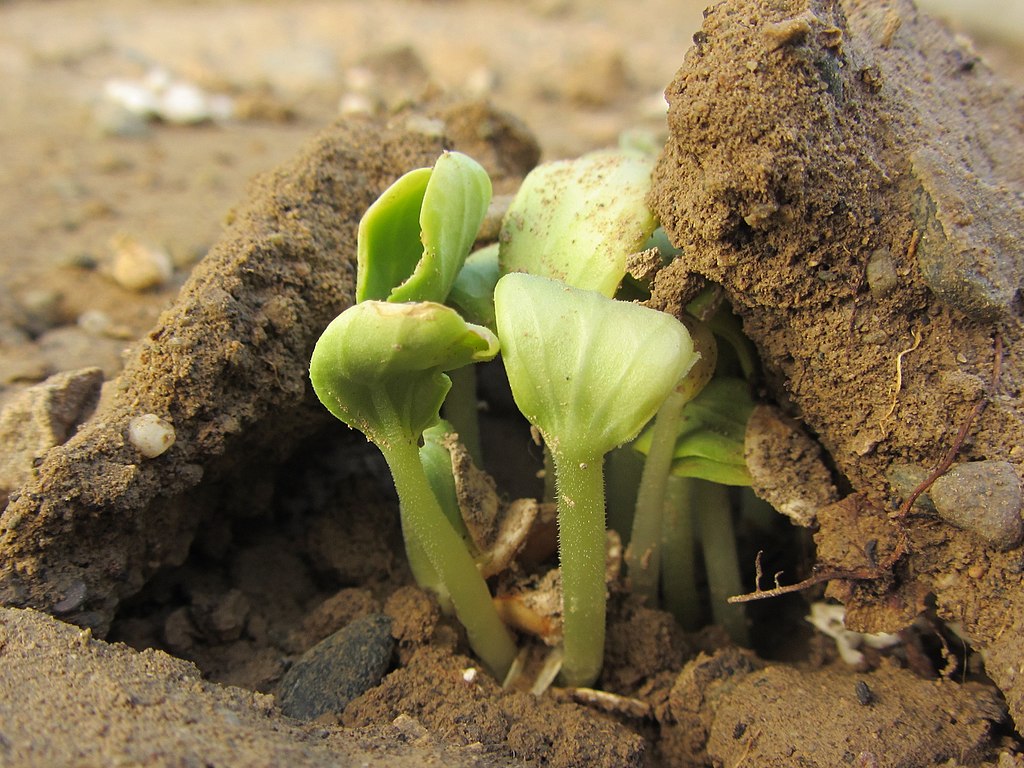

Then there’s the large category of crops that work fine with either method. This is where your decision depends on convenience, timing, and what you’re trying to accomplish.
Cucurbits
Squash and cucumbers — including zucchini, yellow squash, cucumbers, winter squash, and pumpkins — all germinate quickly and grow rapidly.
In warm soil, they’ll sprout in less than a week and take off growing immediately. Direct sowing works beautifully if your soil is warm enough and you’re not in a hurry.
But these crops also transplant reasonably well if you’re careful. This makes transplanting attractive in certain situations.
If you want to get warm-season cucurbits into the garden early while soil is still cool, starting them indoors in larger pots gives you a head start.
If you’re trying to time harvest for a specific date, transplanting gives you more control.
And if you’re dealing with heavy pest pressure — cucumber beetles, squash vine borers — transplanting lets seedlings get past their most vulnerable stage in a protected environment.
Sowing for starter plants is also handy if you’re growing cucumbers. These guys tend to live fast and die young, especially in the Florida heat and humidity. The best strategy for season-long cucumber harvests is to plant in succession every three weeks.
The key with cucurbits is using large enough containers that roots don’t get pot-bound. Transplant while plants are still young — no more than three to four weeks old. Their roots don’t love being disturbed, but young plants handle it reasonably well.
Herbs
Herbs vary tremendously by type. Basil transplants beautifully and benefits from being started indoors, where you can control temperature.
Cilantro and dill have taproots and prefer being direct-sown, though they can be transplanted carefully if started in deep pots.
You can direct sow or transplant parsley, depending on the time of year. Parsley does better in the warmer months as a transplant.
Oregano, thyme, and other perennial herbs are almost always transplanted since they’re so very slow from seed.
Leafy Greens

Swiss chard and kale are both extremely flexible. They germinate readily and can be direct-sown with great success. But they also transplant easily, and starting them in flats lets you control spacing better. You can also transplant them into spots where earlier crops have finished.
Spinach prefers cool weather and germinates best in cool soil. In Florida, it’s often easier to direct sow it in fall and winter when conditions are ideal. But it can be transplanted if you start it in flats during warm weather and then transplant once temperatures drop.
Florida-Specific Considerations
Florida’s unique climate adds some specific factors to the direct sow or transplant decision that gardeners in other regions don’t have to consider.
Our warm soil temperatures year-round mean that germination happens quickly for most crops when direct-sown. Seeds that might take two weeks to germinate in cold northern soil will sprout in three to five days here. This reduces one of the main advantages of transplanting — getting a jump on slow germination.
But our intense summer heat means that timing windows are often tight, especially for warm-season crops that need to produce before temperatures become oppressive.
Transplanting gives you more control over that timing, letting you start seeds indoors during less-than-ideal conditions and transplant robust seedlings when the moment is right.
Pest pressure in Florida is relentless compared to northern climates. Cutworms, wireworms, seedcorn maggots, and other soil-dwelling pests can devastate direct-sown seeds and emerging seedlings. Transplanting larger, more established plants helps them survive initial pest pressure better.
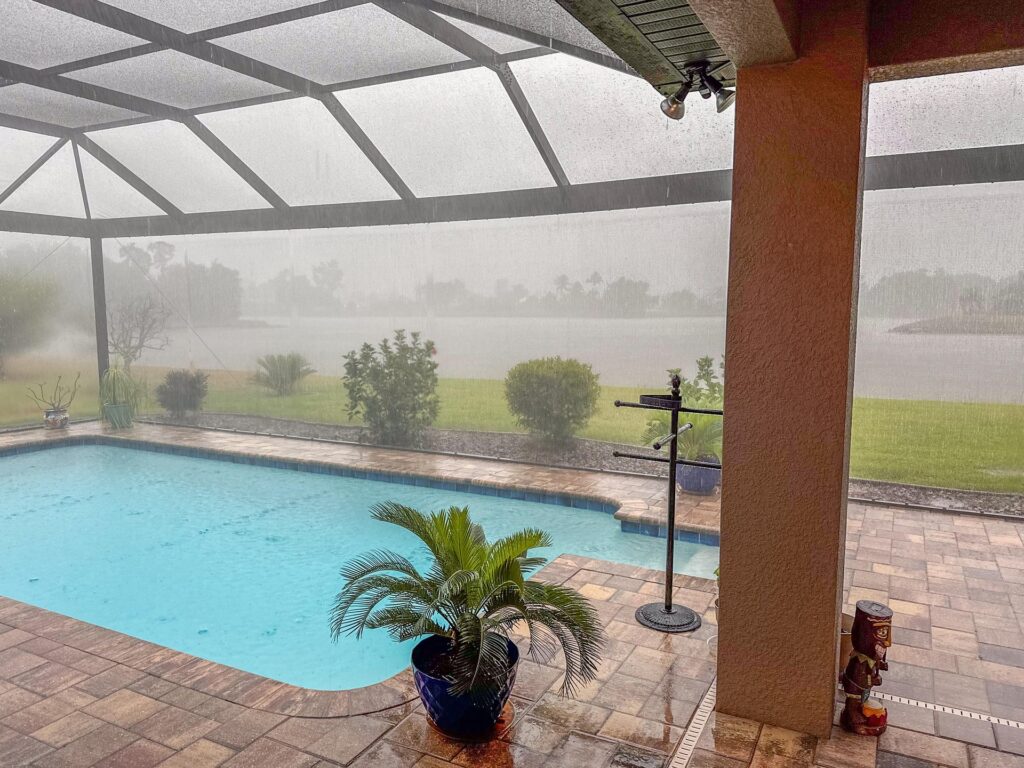
Our intense afternoon thunderstorms during summer can wreak havoc on tiny direct-sown seedlings, washing away seeds or battering emerging sprouts. Transplanted seedlings are large enough to handle heavy rain without being destroyed.
Sandy soil is common in much of Florida drains quickly, which is great for preventing waterlogged roots. But it can make it challenging to keep direct-sown seeds consistently moist during germination.
If you’re direct-sowing in sandy soil, you need to be diligent about watering during that critical germination period.
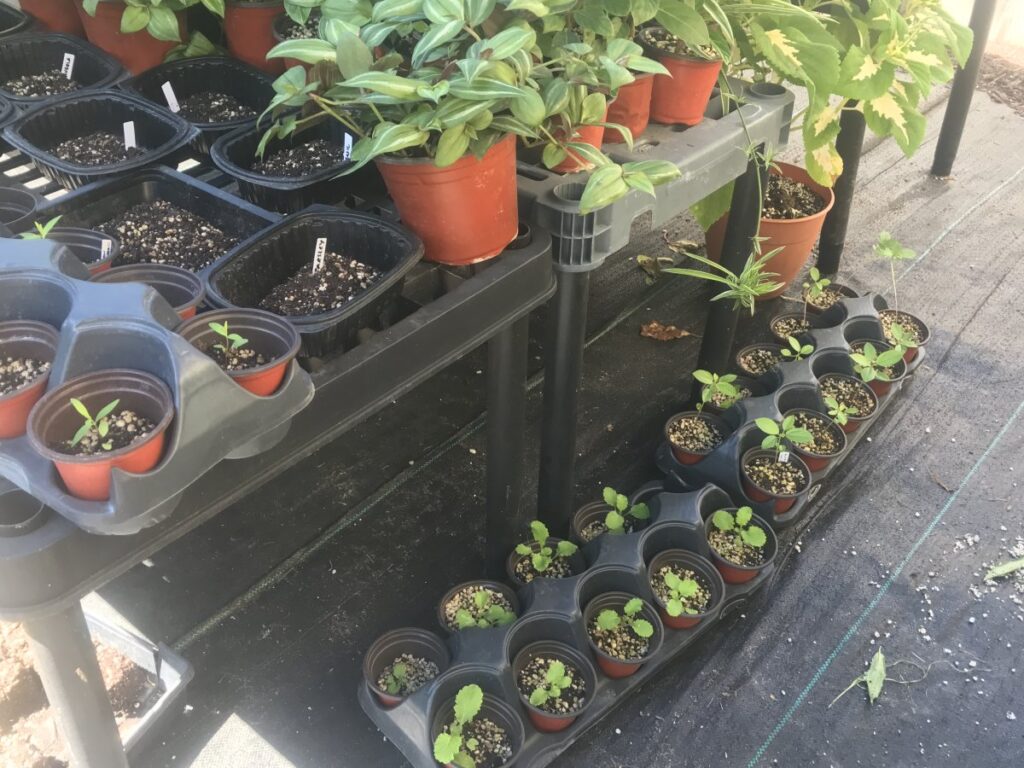
My experience (and preference) is to start seeds indoors or under cover as much as possible. I only direct sow plants that just will not tolerate transplanting. In this way, I can ensure that my seeds don’t get washed away, broiled, eaten by wildlife, rot away, or perish from some dreadful blight or fungus.
For me, the direct sow or transplant debate has me firmly leaning on the latter.
And with a year-round growing season, it never hurts to have some starter plants in pots put back to fill out the garden rotation.
Practical Recommendations by Season
Your decision about direct sowing versus transplanting should also factor in what season you’re planting and what you’re trying to grow.
Fall Planting (September through November)
Gardening in Florida in the fall often favors transplanting for brassicas, lettuce, and other cool-season crops.
Starting them indoors during hot late summer weather, then transplanting in October or November when temperatures drop, works much better than trying to germinate seeds in hot soil while fighting heat, pests, and afternoon thunderstorms.
Winter Planting (December through February)
Winter is when direct sowing really shines in Florida. Soil temperatures are perfect for cool-season crops, pest pressure is lower, and rainfall is minimal. This means you can better control moisture, and conditions are generally ideal.
Direct sow your carrots, beets, radishes, lettuce, spinach, peas, and greens with confidence during these months.
Spring Planting (March through May)
Spring is a transition time, and your approach depends on what you’re growing. Warm-season crops like tomatoes, peppers, and eggplant should have been started indoors weeks earlier and are being transplanted now.
Quick-growing crops like beans, squash, and cucumbers can be direct-sown as soil warms. Late-season cool crops should probably be skipped entirely unless they’re very quick to mature, like radish, tatsoi, or leaf lettuce. Even still, make sure you’re using heat-tolerant varieties.
Summer Planting (June through August)
Summer is Florida’s most challenging time to start anything. Transplanting often works better than direct sowing.
You can start seeds in pots where you can control moisture and provide some shade, then transplant the established seedlings. This gives better results than trying to germinate seeds in hot, often dry soil while battling intense sun and pest pressure.
Honestly, I look at the entire summer as a time to let the sweet potatoes take over the beds and concentrate on planting flowers.
Setting Yourself Up for Success

Regardless of whether you direct sow or transplant, success comes down to doing it well.
Tips for Direct Sowing
For direct sowing, prepare your soil thoroughly before planting. Break up clumps, remove debris, and create a fine seedbed for tiny seeds.
Plant at the correct depth — a general rule is to plant seeds at a depth of two to three times their diameter. Water gently but consistently to keep soil moist during germination.
Thin seedlings to appropriate spacing once they have several true leaves, as hard as it is to pull out healthy plants. Crowded seedlings never develop into productive plants.
Tips for Transplanting
For transplanting, use quality seed-starting mix or potting soil rather than garden soil. These prepared mixes drain better and are sterile, reducing disease issues (like damping off).
Provide adequate light from the beginning so seedlings don’t get leggy. Ventilation is also important to reduce disease and produce strong, healthy stems. Water consistently but don’t overwater.
Harden off transplants before setting them in the garden by gradually exposing them to outdoor conditions over a week or so.
Transplant on a cloudy day or in the evening to reduce stress. Water thoroughly after transplanting, and keep soil consistently moist for the first week while plants establish.
Direct Sow or Transplant: The Bottom Line

The direct sow or transplant decision isn’t about one method being universally better than the other. It’s about matching the method to the crop, the season, your specific goals, and your available time and infrastructure.
If you’re growing root vegetables, beans, or peas, direct sowing is your only realistic option. If you’re growing tomatoes, peppers, or brassicas in Florida’s climate, transplanting gives you a massive advantage. And for everything in between, think about what you’re trying to accomplish and what makes sense for your situation.
Many successful Florida gardeners use both methods routinely. They direct sow carrots, radishes, beans, and peas because it works great for those crops.
They start tomatoes, peppers, and brassicas indoors because timing matters and transplanting provides better results.
And they make case-by-case decisions about things like squash and cucumbers based on the specific situation.
The more you garden, the more you’ll develop instincts about what works in your specific climate, soil, and conditions. Pay attention to what succeeds and what struggles, adjust your approach accordingly, and don’t be afraid to experiment.
There’s no single right answer — just the approach that works best for you, your garden, and what you’re trying to grow.