February is one of the busiest months in the Florida garden. Winter’s grip loosens across most of the state. Mild conditions still prevail. This creates one of the best planting windows of the year.
Cool-season crops need to get in the ground before spring heat arrives. Southern gardeners can direct-seed fast-maturing greens and root vegetables. They can also plant early warm-season crops. Northern gardeners still have time for cool-loving vegetables that will mature before summer.
Whether you’re succession planting lettuce and radishes or getting your first tomatoes in the ground, February offers ideal growing conditions.
What to Expect in February
While there are variations in conditions throughout the state, there are a few universals to consider when you plant in February in Florida.
Temperature and Frost Risk

February weather in Florida has been running warmer than historical averages in recent years. Daytime highs typically reach the mid-70s to low 80s across most of the state. Many areas see temperatures above 75°F regularly. Southern regions often hit the upper 70s to low 80s.
Nighttime temperatures still dip considerably. Northern counties can see lows in the 30s and occasionally upper 20s. Cold fronts still sweep through. Central regions may see occasional dips into the upper 30s to low 40s. Southern areas rarely drop below 50°F.
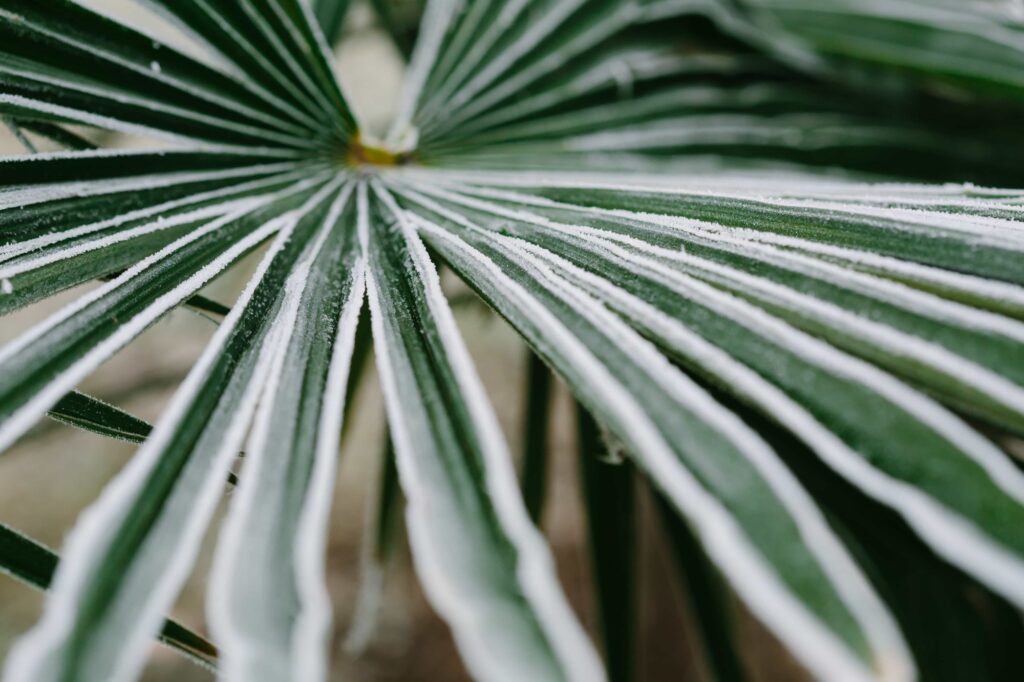
The frost threat hasn’t entirely passed in northern areas. Keep frost cloth or row covers handy for tender transplants. This is especially important for tomatoes, peppers, and eggplant. The risk drops significantly as the month progresses. Many warm-season crops can be successfully established by mid-to-late February with minimal protection.
Day Length and Solar Intensity

Day length increases noticeably throughout February. It climbs from about 11 hours at the beginning of the month to nearly 12 hours by month’s end. The sun grows stronger each day.
This triggers faster growth in many crops. Cool-season plants sense that bolting season approaches. Greens like lettuce, arugula, and Asian brassicas sown now will grow vigorously. Harvest them promptly in March before rising temperatures cause them to flower.
Rainfall Patterns
February is one of Florida’s drier months. Most areas receive 2-3 inches of rainfall. This is much less than the summer rainy season.
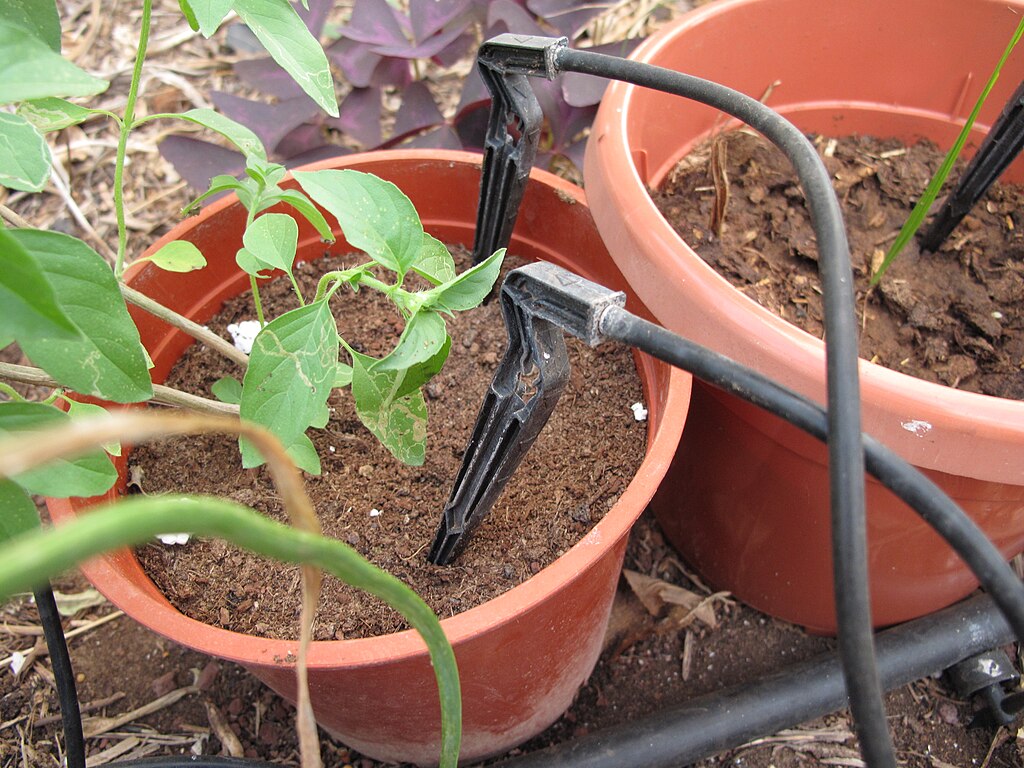
Newly planted seeds and transplants will likely need supplemental irrigation. Water in the morning. This allows foliage to dry before nightfall. It reduces disease pressure. Mulch around plants to retain soil moisture and moderate soil temperature.
Soil Conditions
Soil temperatures are warming but remain moderate. This is perfect for germinating cool-season crops and many warm-season seeds. The combination of warming soil, adequate moisture (with irrigation), and mild air temperatures creates ideal conditions for root development.
Garden Tasks and Considerations
Beyond planting, stay vigilant about emerging pest populations. Aphids, whiteflies, and caterpillars become more active as temperatures rise. Regular scouting and early intervention prevent minor issues from becoming major infestations. Hand-pick pests when possible. Use insecticidal soap when needed. Encourage beneficial insects.
This is an excellent time to work compost or well-aged manure into garden beds ahead of spring planting.
In fact, it’s a great time to do most of your hard physical labor in the garden.
This is also an excellent month to establish perennial crops and herbs. They’ll benefit from mild establishment conditions before summer stress arrives.
Vegetables and Herbs to Plant in February in Florida

While your planting list will be different based on where you live in the state, the focus is still on cool-season vegetables to plant in February in Florida gardens.
February Planting Highlights
Arugula germinates quickly in cool soil and reaches harvest size in just 30-40 days. Succession plant every two weeks for continuous harvests.
Lettuce thrives in February’s mild conditions. Direct seed or transplant varieties now for spring salads before heat causes bolting.
Radishes are among the fastest vegetables to mature. They’re ready to harvest in just 25-30 days from seed.
Beets perform beautifully in February’s moderate temperatures. Both the roots and greens are edible.
Bok choy and other Asian greens love cool weather. They mature quickly and add variety to the garden.
Swiss chard tolerates both cool and warming temperatures. It produces throughout spring.
Collards are a Southern staple that thrives in cool weather but tolerates heat better than most greens.
Kale grows vigorously in February. Harvest outer leaves as the plant continues producing.

Mustard greens grow fast in cool weather. They add a spicy kick to salads and stir-fries.
Turnips can be grown for both roots and greens. They mature in 40-60 days.
English peas need cool weather to produce well. Plant them early this month for best results.
Parsley transplants or seeds planted now will provide fresh herbs for months.
Cilantro bolts quickly in heat. February planting gives you the best harvest window.
Dill grows well from direct-seeded plants in February’s mild weather.
Green onions can be direct-seeded or planted as sets. They’re ready to harvest in 60-80 days.
Tomatoes can be transplanted out by mid-to-late February in most areas. Protect from any late cold snaps.
Peppers (both sweet and hot) benefit from February transplanting. They’ll establish before summer heat.
Cucumbers can be direct-seeded in warmer parts of the state. They grow quickly in warming soil.
Fruit Trees and Bushes to Plant in February in Florida
February is an excellent time to establish fruit-bearing plants across Florida. Bare-root and container-grown trees and shrubs planted now have time to develop strong root systems before summer heat and the rainy season arrive. Mild temperatures reduce transplant shock and allow young plants to settle in with minimal stress.
February Fruit Planting Highlights
Blueberries thrive when planted in February. They need acidic soil (pH 4.5-5.5) to perform well. Amend planting holes with sulfur and peat moss if needed. Plant at least two varieties for better pollination and fruit set.
Figs are one of the easiest fruits to grow in Florida. Plant them now for vigorous spring growth. They tolerate a wide range of soils and produce reliably with minimal care.
Lemons and other citrus can be planted throughout February. Choose a sunny location with good drainage. Keep new trees well-watered during establishment.
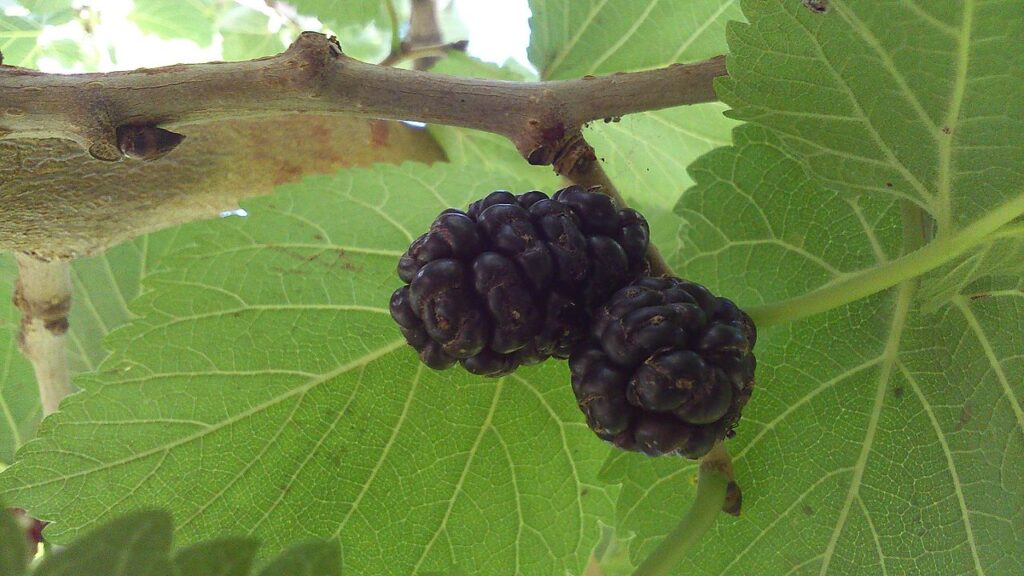
Mulberries grow quickly and produce abundant fruit with almost no maintenance. They’re drought-tolerant once established and attract wildlife.
Pineapples can be planted from crowns or slips this month. They need well-draining soil and full sun. Harvest comes 18-24 months after planting.
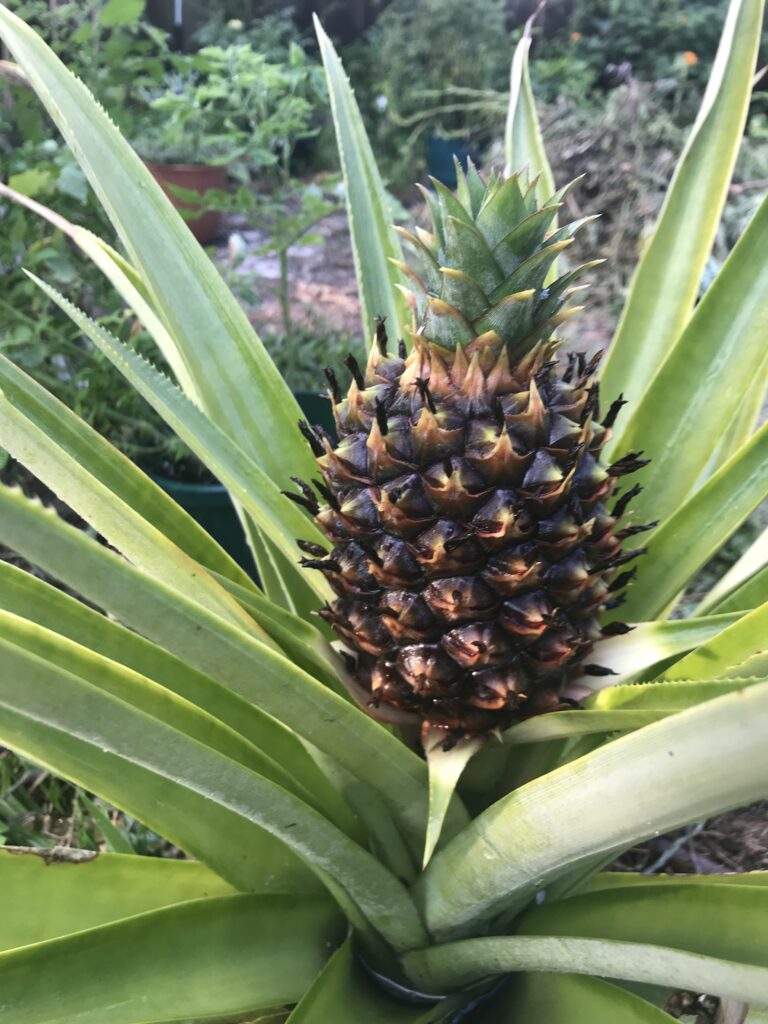
Sweetsop (sugar apple) prefers warm, frost-free locations. Plant in well-draining soil in a protected spot. These tropical fruits reward patience with delicious, custard-like flesh.
Atemoya is a hybrid of sweetsop and cherimoya. It produces large, sweet fruits and grows well in warmer parts of the state. Plant in a location protected from wind.
Pollinator Plants and Flowers for February

February is prime time for establishing pollinator-friendly flowers across Florida. Many annuals and perennials planted now will bloom through spring and into summer, providing nectar and pollen for bees, butterflies, and other beneficial insects. Cool temperatures allow young plants to develop strong root systems before flowering begins.
February Flower Planting Highlights
Sunflowers are easy to grow from seed and provide food for pollinators and birds. Direct sow them now for late spring blooms. They’re excellent for children’s gardens.
Calendula thrives in cool weather and produces cheerful orange and yellow blooms. The flowers are edible and have medicinal properties. They reseed readily.
Borage attracts bees with its beautiful blue star-shaped flowers. The plant self-seeds and comes back year after year. Young leaves are edible in salads.
Alyssum forms low mats of tiny, fragrant flowers. It’s perfect for edging beds or filling gaps. Pollinators love it, and it blooms for months.
Snapdragons produce vertical spikes of colorful blooms. They prefer cool weather and will bloom heavily before heat arrives. Deadhead for continuous flowering.
Pansies and violas handle cool nights beautifully. They provide early season color and attract small pollinators. Plant them now for blooms through spring.
Dianthus offers fragrant, fringed flowers in pink, red, and white. They’re low-maintenance and attract butterflies. They prefer well-draining soil.
Verbena produces clusters of small flowers that butterflies adore. It tolerates heat and drought once established. Deadhead to encourage more blooms.
Gomphrena (globe amaranth) thrives in Florida’s heat and humidity. Plant now for summer-long blooms. The flowers dry beautifully for arrangements.
Lupines send up tall spikes of colorful blooms. They prefer cooler weather, so February planting gives them the best start. They’re excellent nitrogen fixers.
Final Thoughts Before You Plant in February in Florida

February offers some of the best planting conditions of the year in Florida, but it pays to stay alert. Even with generally mild conditions, unexpected cold snaps can still occur.
Check your local weather forecast regularly, especially if you’re planting tender warm-season crops like tomatoes, peppers, eggplant, or cucumbers. Use NOAA’s National Weather Service website (weather.gov) or a reliable weather app for your specific location.
Look ahead at the 7-10 day forecast before transplanting sensitive crops. Pay particular attention to predicted overnight lows.
When in doubt, err on the side of caution. Planting warm-season crops at or toward the end of the month reduces frost risk significantly. A week or two of patience now can mean the difference between thriving plants and frost-damaged transplants. If an unexpected cold front is predicted after you’ve already planted, have frost cloth or row covers ready to protect your investment.
With proper planning and attention to the forecast, February can set you up for a productive and beautiful Florida garden throughout spring and beyond.