Planning an herb garden can be fun and rewarding. You need to know where to buy herb seeds. Herbs have been in use for centuries for culinary, medicinal and aromatic reasons. For generations tribal leaders and healers passed down the herbal secrets. Many modern medicines have an herb base. Modern herbalist mix medicinal herb for their clients. Many herbalists also mix aromatic herbs for beauty purposes. But, of course, the culinary herb is still the most widely used. You can become a kitchen gardener by growing an herb garden right in your kitchen on a sunny windowsill.
For the discussion of herbal gardening today we will plant the herbs found in the Elizabethan Era and so often mentioned in William Shakespeare’s works. The plants selected will be culinary herbs, medicinal herbs and aromatic herbs, all to experience the aromas and flavors of that time.
Herbal gardening is wonderful since the herbs can be grown in a variety of ways. Plant a container garden for you deck or patio for great colors, different textures and super aromas. Planning an herb garden in the ground will allow you to cultivate a traditional kitchen herb garden outside. Or if you have limited space, become an inside kitchen gardener and plant your herbs on a windowsill or in a window box.
When planning your herb garden remember that the herbs need well drained soil, they hate wet feet. Test your soil for the herb garden and make sure it is alkaline. All Herbs need at least six hours of sunlight.
When Elizabethans planted aromatic herbs, culinary herbs and medicinal herbs they used either a symmetrical rectangular or square patterns. The Elizabethans were very formal and felt their herb gardens should be too. Their herbal gardens had walkways, as strolling through the garden was a popular pastime. They had no TV’S! If you are planting your herbal garden near a patio, think about adding a strolling path for yourself. The paths will add character to you herbal garden.
In planning an herb garden be sure to take in to consideration the growing habits of each herb. Plant the taller busier herbs in the back of the garden, the small, compact ones in the front. Most herbs are perennials meaning they will grow back each year. Any of the herbs that need to be planted annually should go in a spot in the herb garden that is easy to get to. Give each herb plenty of room to grow. The herbs need air circulation to prevent mold. This stage of planning an herb garden is essential since once the plants become mature they do not like to be moved.
When you plant an herb garden, you can either start from seeds or get small plants from your garden center. The garden center plants will give a better chance of achieving success in the herb garden. When using seeds, plan ahead because the seeds may need to grow for several months before they are ready to plant into the herb garden. Especially if you are a beginner, I would recommend using the small plants from the garden center.
Go to a reputable garden center to purchase you herbs. Inspect your herbs closely to make sure they are healthy. One infected plant can ruin your whole herbal garden. When using the small herbs from the garden center you will be able to harvest your herbs much sooner. When you take the herbs out to be planted in the herbal garden, gently remove the plant from the pot and loosen the soil around the roots. Place the herb in the spot you have chosen or the container that you have prepared. Cover all of the roots with soil and gently tamp down. Give your new herbs plenty of water checking the moisture each day. Never let the soil dry out but don’t make your herbs roots too wet. If you are planting a container garden remember that the dirt in a container will dry out more quickly then the ground. You might find that the herbs will droop for a couple of days. Don’t fret that is shock but they will recover.
Once you have learned the herbs growth patterns you can start pinching off to get a bushier herb. When you first start out, keep a journal for your herb garden to keep track of each herbs strengths and weaknesses. After you get to know your herb garden you will be able to tell when the plants need attention.
Over the centuries herbs have evolved into very hardy plants. Once you herbal garden is established it will need very little care. To hold moisture for the herb longer, mulch around the plants. This is a good garden tip whether you plant the herbs in container gardens or in the ground.
Herbs are natural insect repellents but if you have to treat for pests be sure you use a non toxic treatment since you will be eating your harvest. Marigolds are a natural repellent so you may want to plant of few of these flowers. Planting companion plants is how most Shakespearian gardens were done.
Harvest can begin as soon as you have several leaves on the herb. It is best to cut your herbs before they begin to flower for the best flavor. This is when the most oils are stored in the leaves. Wait until any morning dew has dissipated before cutting but harvest before the full sun is out. You can cut your herbs right before you wish to use them. If the stems are tender these too can be used in your recipes.
If you have an abundant harvest you can freeze or dry the herbs. Dry them by hanging them upside down, in a bunch tied together, in a warm and dark place. You can microwave them by placing them between two paper towels and microwaving for 2 minutes. Put them in an air tight container, they will last up to 1 year.
Freezing the bounty of your herb garden will let them last a little longer, a year to year and a half. Chop up the herbs and place on a sheet of wax paper. Freeze for at least 2 hours. Another method is to put the herbs in ice cube trays with water. Freeze until firm, pop them out and put them in to zip lock bags. When ever you need the herbs for soups, stews or sauces, just throw in an herb ice cube.
Now, here is the list of Shakespearian Herbs to plant in your Elizabethan herb garden including culinary herbs, aromatic herbs and medicinal herbs. It will truly make you a kitchen gardener.
Bay, box, Broom, Calendula, Chamomile, Chives, Heartsease, Hyssop, Lavender, Lemon Balm, Parsley, Peppermint, Rosemary, Rue, Salad Burnet, Summer Savory, Bachelors Buttons and Thyme. For more information on each herb, email me or search on the internet.
Are you a vegetable fanatic and have always wanted to grow your own? Maybe you want to save money and grow your own organic vegetables, or maybe you’ve always wanted to start a garden and thought a vegetable garden would be more rewarding. Your reason may be one of these, or another one completely. Whatever you’re reason, you’ve decided to start a vegetable garden and want to know how.
Your first step is to make several decisions. You need to decide how big you want your garden to be, where your garden will go, what you’re are going to plant, and how much you are going to plant. Think about what your favorite fruits and vegetables are and what will grow well in your region. Also, make sure you place your garden where it will get a lot of sun.
Now that you know what you’re going to do, you will need to get all the necessary supplies. Make sure you have everything you’ll need including seeds, fertilizer, garden tools such as shovels, trowels, cultivators, etc., a hose or watering can, and whatever else you think you’ll need.
Now you can get down and dirty. Plot out your garden and start digging. Dig up all the grass, using a tiller if you have one. Use your garden tools to cultivate and break up the soil. Remove all the rocks, roots, and anything else that doesn’t belong. Once you have all the soil cleaned out, add in any fertilizer or compost dirt that you have. Compost is great because it is full of nutrients form old leaves, bugs, plants, etc.
Once you’re garden is ready, you can plant seeds or small plants that have already been growing. I like to plant my seeds in small trays early in the spring and then plant them when the garden is ready and the time is right. Done this way, you can weed out all the week plants and just use the strongest plants that you know will survive.
When it’s the right time, read the back of your seed packets to find out, plant your small plants or sow your seeds in the garden. Water them according to the directions on your seed pack and make sure to weed your garden every day. Any plant that isn’t supposed to be there will suck away all the nutrients necessary for your vegetables.
As your vegetables begin to grow, pick your produce when they are ripe and ready. Enjoy the bounty all summer long!
More and more individuals are making the wise decision of joining the Organic Gardening “circle”. Why wise? You might ask. There are so many benefits of organic gardening. Yes, these benefits ain’t only for you, but for YOU and YOUR FAMILY MEMBERS
This article will emphasize why you should garden organically. At the end of this, chances are high that you’ll have a different perception towards organic gardening.
Benefit #1: Improves Health And Prevents Danger
Yes, because organic crops totally doesn’t rely on chemicals for its growth, it is proven that it’s must healthier than vegetables found in supermarket, arguably.
The thing is, you can’t be certain that the vegetables you purchase at the supermarket is organic. Chances are not because organic vegetables takes a little more time to grow compared to a mass production of vegetables.
Everyone knows the more you have, the more you’ll earn and that’s basically what most supermarket does. Most of them would prefer quantity over quality.
If you do not feel this is serious, do you know that a pregnant mum would have a slight danger of inflicting “cancer” and other diseases to its “young child”?
Chemical Kills.
Benefit #2: Saves You Money
Besides the fact that organic garden helps improve your current health condition and reduce danger, it will even save you money in the long run.
No more extra cash on chemicals which will in turn, drain your piggy bank and even worsen your health.
That’s right. Even though organic garden requires more energy compared to the normal gardening, the effort that you give will ultimately be returned through your high quality, fresher and healthier crops.
You are literally getting the best crops for “FREE”.
Benefit #3: Earns You Money
Save Money? Nah, you can earn money as well.
People are buying organic vegetables and the reason is simple. It’s healthier. People would rather take the healthy route than worry about the future.
Benefit #4: A Sense Of Satisfaction
Nothing beats staring at your self-grown organic crop and go, “ha ha, I watched you grew since you were a sprout”. Obviously after that, you know you are going to consume/sell it. So much for taking care of it, you might say. Oh well, at least you know that your effort paid off. Not many people know how to organically grow vegetables.
Benefit #5: A Great Hobby
This is good news for the elderly who wants to take some time off to lessen their stress in life. Because it has something to do with nature, organic gardening can be a leisure activity for not just the elderly but for the younger generations as well.
However, before you go into the hobby of organic gardening. It is almost a must for you to know where to begin and how to begin. Organic gardening should start from a well detailed plan with the necessary knowledge.
Now that you know how often to water your garden according to the soil’s absorption time, start watering and soon you will reap the rewards of your hard work!
This is a timeless struggle between the Gardener and Nature’s creatures.
Rabbits, Deer, Chipmunks, Squirrels, Gophers, Moles, Voles and Ground Hogs are probably our biggest challenge in our Vegetable and Flower Gardens. Following are a few easy tips on how to get rid of these pests:
There are all natural repellents such as Shake Away, Liquid Fence, Deer Away and Critter Ridder. These all natural repellents all work well and all work in different ways.
Shake Away is a granular Predator Urine product. This is a fantastic product. It creates the scent of predators such as fox, coyote and bobcat. They will not wash away in the rain and do not evaporate. They are not messy or highly stinky, like their liquid counterparts. They even have one for cats.
Liquid Fence Products such as their Mole and Vole repellent are odor and taste based repellents. Mole and Vole is all natural liquid that is sprayed and gets down into the soil to coat the roots of plants and earthworms. Their tasty meal is no longer tasty. They simply go elsewhere to look for food. It is long lasting and won’t harm vegetation.
Critter Ridder by Havahart comes as a granular or a liquid and is listed OMRI organic. It will repel skunks, ground hogs, squirrels, raccoons, dogs and cats. They are both pepper and capscaisin based products.
Deer without a doubt can do the most damage in a garden in the shortest amount of time. They seem to eat anything, shrub, flowers, vegetables, even evergreens are not exempt from the things they will eat. Deer fencing may be necessary depending on your situation. Setting up feeding stations away from your backyard may also help to keep the deer in their own habitat.
Critter Ridder Deer and Rabbit repel by scent and it lasts up to 3 months. It is also listed OMRI organic.
These are all safe, natural products. There are a few other items that also work well. Human hair and dog fur will also work. Human hair works the best. Go to your local Barber Shop and ask for some hair. Yeah, they might look at you a little funny at first, but they will think you are a genius when you tell them what it’s for. Put it around the perimeter of your garden. This will decompose naturally. It may need to be applied once or twice.
If you are having trouble with squirrels, chipmunks, moles or voles eating your bulbs, an easy fix is to make a cage for the bulb out of hardware cloth. The holes inn the hardware cloth should be at least ½†to allow the bulb to grow through. Cut a square out of the cloth and fold it around the bulb. It is a safe effective way to keep your bulbs from becoming food. Capscaisin Pepper in powder form can also be sprinkled on the bulbs when you plant them. This will make the bulbs taste bad to the critter. It will not harm them, just burn their tongue’s a bit.
With all these products, once a Critter knows your garden or flower beds are not a safe or tasty place to go…they usually will not come back.
Cutting Cutting your lawn in the right way is imperative as well if you want a beautiful, green lawn. Depending on your grass, you’ll want to cut it at different heights. If you have cool season grasses, cutting them about 2-3 inches in height is about right. For warm season grasses, they’ll do best cut to about two inches high. Just make sure you don’t scalp the lawn, since it can put your lawn into shock and make it become vulnerable to weeds, diseases, and pests. A higher cut lawn looks much better and will resist diseases and pests.
Feeding Your grass must also be fed correctly as well to make it thrive. If you are dealing with warm season grasses, they should be fed well in each month of the summer. Cool season grasses should be fed during the fall months.
A Few More Tips for Lawn Maintenance
- Tip #1 - Treat for Weeds - If you see weeds, make sure that you take time to treat them right away. If they get out of hand, they’ll be much harder to treat.
- Tip #2 - Avoid Dull Mowing Blades - When you’re mowing your lawn, make sure the mowing blades are not dull. Using dull blades will tear and damage your grass. Make sure that you sharpen your blades to keep your lawn looking the best.
- Tip #3 - Leave Clippings - Leaving clippings on your lawn is a great idea as well, as long as you are mowing your lawn fairly often. They’ll add nutrients to the soil for your grass. However, if you are not going to mow regularly, get rid of the clippings.
Saving water in Mediterranean and other dry climate climates is becoming a matter of critical importance for gardeners. It is often thought though, that saving water has to be at the expense of beauty; that water conservation is synonymous with a dull, colorless garden. Admittedly, annual flowers are the largest consumers of water compared to other groups of plants, but color can be attained by using plants that once established, consume about 5 times less water over the year. Too good to be true? Read on.
Firstly, there is no shortage of landscape trees that supply wonderful seasonal color, either from their flowers or from their fruit. Many like Hawthorns, Judas tree, Acacias, Albizia, and Lagerstroemia can be grown on a tight water budget. Similarly, plenty of shrubs and bushes that sport colorful blooms require some 100-200 mm of water a year once established, compared to annual flowers that need at least 1000 mm a year in Mediterranean climates, and a lot more in desert regions. Grevillea, Callistemon, Alyogyne, Lilacs, and Cotoneasters are but a few examples of such landscape shrubs.
It is worth noting that some shrubs and vine-like plants, actually flower more profusely in arid conditions than in constantly moist ones. Bougainvillea for instance, reacts to temporary drought, by producing more flowers, while if permanently wet, will tend to grow more foliage. An established Bougainvillea plant can look superb; a mass of red or deep purple on a white-washed wall, on 3 or 4 deep waterings through the summer. Plumbago auriculata, with its mass of sky-blue flowers is another case in point.
Plants with purple, silver, or golden foliage, are an excellent way of adding color to the garden, while remaining water-wise at the same time. The thorny bush, Berberis thunbergii “atropurpurea” is well known, but many home gardeners might be surprised to learn that some ornamental grasses and grass like plants, such as the purple leaved varieties of Pennisetum setaceum or Phormium tenax, (New Zealand flax) fall into this category too. Let’s not forget either, the wide range of silver-leaved and glaucous herbs like Artemisia, some sages, and oregano.
There are even some herbaceous perennials, like Agapanthus and Limonium (Sea Lavender) that can get by on about 300-400 mm a year, while the amazing color performance of succulent ice plants (such as Lampranthus and Drosanthemun) can be achieved virtually without any additional irrigation. The reason for this is that the plants are active from autumn to spring, but enter into a form of dormancy during the summer, during which there is no need to water at all.
The condition of your lawn is like a badge that can be presented and showed to friends and family members. It can be your crowning moment after you spent hours and days maintaining it and preserving the good looks of it. But then what will happen the moment lawn weeds upstage your work of art? It can upset you for sure. That is why it is suggested that once you own and maintain a lawn, it is suggested as well that the factors that will affect the condition of the lawn should be checked and anticipated. One such problem that can undermine the health and the looks of your well-kept lawn are the presence of the weeds and it is upon the owner to identify lawn weeds.
Weeds are expected on your lawn that is why as a responsible owner of a lawn it is your duty to identify weeds and take actions if necessary. It should be remembered that occasional weeds on your well-kept and healthy-looking lawn are expected. In fact the number the number of weeds that will grow on your property can be disregarded since they are common. But then there comes a point where in the amount of weed that continues to pop in the lawn grows into alarming levels. This is the right time that the right actions need to be taken; it’s time to identify lawn weeds and time to spot treat these nuisance in your property.
Some of the weeds that are common year round include the annual Bluegrass, the Barnyard grass and the Buckhorn Plantain. Other noteworthy weeds that should be anticipated include the Carolina Geranium, the Carpet weed, the Chickweed, the Foxtail grass, the Goose grass, the Ground Ivy, the Horsenettle and a number more of weeds. Knowing how to identify lawn weeds is a pro-active approach in effectively managing the health and the good looks of your treasured lawn. If owners are armed with the right knowledge and information, then the right steps can be done in order to cleanse the lawn with weeds and can do steps as well in order to prevent it from happening.
Now that the owner has the capability to identify lawn weeds and made efforts to remove it, the next step is to make sure that it will not happen again. In order to prevent weeds from taking control of the lawn, it is important that owners know the lawn’s grass type. Ensure as well the overall health of the lawn is well-managed. It is suggested that the lawn is fertilized during fall and spring. During summer or dry spells, it is suggested that the lawn should be watered regularly and the grass should be cut that is appropriate for your lawn type. And if it comes to worse, then make use of the right product in order to remove the unwanted weed on your lawn. These are simple steps; but when followed you will surely say goodbye to a lawn troubled with pesky weeds and you will say hello to a good-looking lawn in front of your home.
Why does partial shade play an important role in organic vegetable gardening? And how can such shade be done? And is it really vital for your produce to grow?
For gardeners, they know that shade plays an important role in what they are doing as much as the sun. This is especially true if one is into organic gardening of vegetables. The exposure to sun and its need to be in shade still depends upon what plant you want as produce. But learning all about the plant and its needs first will lead a gardener for a better output.
Being one with nature, being in touched with your produce, is the main responsibility of an organic farmer, in the first place. So before you might want to delve into this, you must first be ready to be patient and hardworking because of the holistic approach being used in such type of gardening, everything depends on the farmer, they have no one to turn to except for themselves and the natural environment.
Organic Horticulture The word horticulture comes from two Latin words, hortus that means garden plant and cultura or culture. It is both an art and science of planting and producing vegetables, flowers, fruits and even ornamental plants.
Horticulture has five parts of study; floriculture for floral plants, landscape horticulture for landscape ornaments, pomology for fruits, postharvest physiology is about keeping the harvested produce fresh and how to prevent these from rotting quickly.
The fifth area of study for horticulture is olericulture, which you might be interested in if you are into vegetable gardening because this tackles the process from producing the crops to marketing such.
Partial Shade You may know that a plant needs soil, sun and water to be able to survive. But you must also be aware that it needs shade, especially the vegetables because not only one must protect it as a plant but must also care for it to produce a good harvest.
In organic vegetable gardening, by exposing the plants to a range of 30 to 50 percent of shade can actually lower the leaves’ temperature by about 10 percent or even more. For the northern and coastal climates, 30 percent shade is recommendable while 47 to 50 percent in hot and summer-like places.
By doing what’s stated above, vegetables like lettuce, arugula, mustard greens and mesclun mix would produce better qualities.
The shade also lessens the temperature of the soil by three to six degrees Fahrenheit. This will benefit vegetables such as cabbages, mustard greens, broccoli, chard, radishes, turnips and spinach that grow in the soil. It is because these produce will germinate better when the soil temperature is below 80 degrees Fahrenheit.
Shade Tent You can also provide your plants with handmade tents. This will be most beneficial if you have a large produce and you can’t attend to each plant one-by-one, placing cloth as shade at top of each one.
To do a shade tent, you would need sturdy plastic tubing that are about 1/2 or 3/4-inch in diameter. Cut this tubing into 6-foot in length, just enough for it to arch a foot length above your crops. For each arch that you’ve made, place a bamboo or rebar stakes, each one at about 18 inches. Put these in the ground at the sides of the plants’ bed until about 10 inches of each of the stakes is visible. Now you can bow your tubing by sliding its ends at the stakes.
With the foundation ready, you can now place a shade cloth over the arches for it to cover the plants’ bed. Make sure to clip the cloth at the tubing so that it will remain in place.
Remember, if partial shade is not readily available when you are into organic vegetable gardening, make one by just doing the above mentioned procedure.
Nowadays, more and more people are getting into organic gardening. Although organic gardening applies to all forms of plants, most often when you say organic gardening product, the first things that come to mind are vegetables and fruits. But, products of the organic way also cover other plants like ornamental and flowery plants. Regardless, may it be growing vegetables, flowers, or even fruits, people are trying to reap the benefits of the organic way.
Organic gardening is a science. It is not just simply planting the seeds and waiting for the plant to grow, flower or bear fruit. The process involves careful planning since organic gardening follows the natural principles of nature in soil cultivation, managing pests, and propagating plants.
However, don’t be daunted since we only mention that organic gardening is a science to emphasize that we don’t just let nature do the work. We grow our plants or crops by applying a system that is approved by Mother Nature. That’s the essence of it.
There are a lot of elements involved in organic gardening but for our discussion we will focus on general aspects of soil cultivation and pest management.
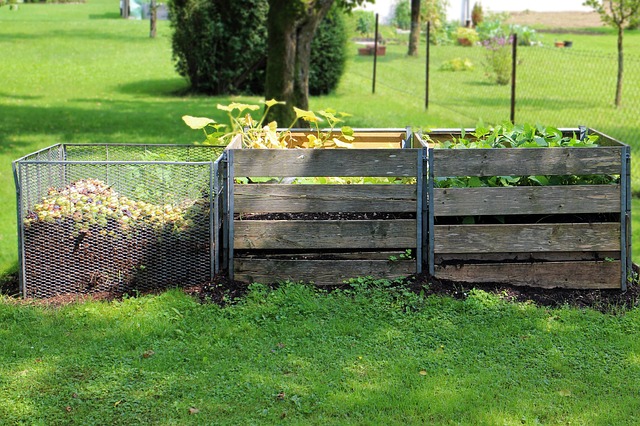
To succeed in organic gardening, we need to keep the soil healthy. You can’t use chemical fertilizers, obviously, since it negates the very purpose of the activity and also the long term use of such fertilizers damages the natural components of the soil. Composting is an essential part of organic gardening. Composts have various benefits for your plants. One, it provides the needed nutrients and improves the overall soil constitution. Second, the compost can help the soil retain more water which means less time spraying your plants with a garden hose.
Aside from proper soil cultivation, the problem that is dreaded by most growers is pest control. From flying to crawling, from walking to boring, managing pests is a vital key in producing quality organic produce or maintaining a healthy organic garden.
In an organic garden, the plants should be able to handle the damage of ordinary insect attacks or damage from common diseases. However, if you feel you need to support your plants there are several ways you could do so. You can spray your garden or plants with solutions that are friendly to the environment such as diluted soapy water or organic sprays from naturally occurring insecticide plants, the neem tree for instance.
Or another way is to “equip” your garden with friendly insects. You can find out what kind of pests are there in your garden and look for its natural enemies. This way, population of pests can be controlled by your own army of insects. By introducing natural predators, you will no longer fear of pests getting immune from insecticides. But, pest management for an organic garden really involves combinations of techniques.
With proper care, and the right techniques, your organic garden can be sustained. You can be assured that the soil is cared for and healthy, plants will be able to pollinate effectively, water will be conserved, and plants in general will survive longer.
All these elements when combined together will result to a hefty harvest of an organic garden product of your choice. Your vegetables or fruits will be fresher than before. You will have a garden with vibrant and healthy flowers.