Lemon balm is a fragrant perennial herb cultivated for its lemon-scented leaves and medicinal properties. Growing lemon balm is a rewarding way to increase biodiversity in your garden. Along with attracting pollinators, it makes a wonderful tea!
This member of the mint family, Lamiaceae, is scientifically known as Melissa officinalis. Native to the Mediterranean region, southern Europe, and parts of central Asia, lemon balm has naturalized across temperate zones worldwide.

The herb thrives in USDA hardiness zones 4 through 9, performing best during spring and summer when temperatures remain moderate.
Home gardeners grow lemon balm for culinary, medicinal, and ornamental purposes. The leaves make excellent herbal teas, flavor desserts and beverages, and add citrus notes to salads and fish dishes. Lemon balm has documented calming properties and has been used traditionally to reduce anxiety, improve sleep, and aid digestion.
Benefits of Lemon Balm in the Garden
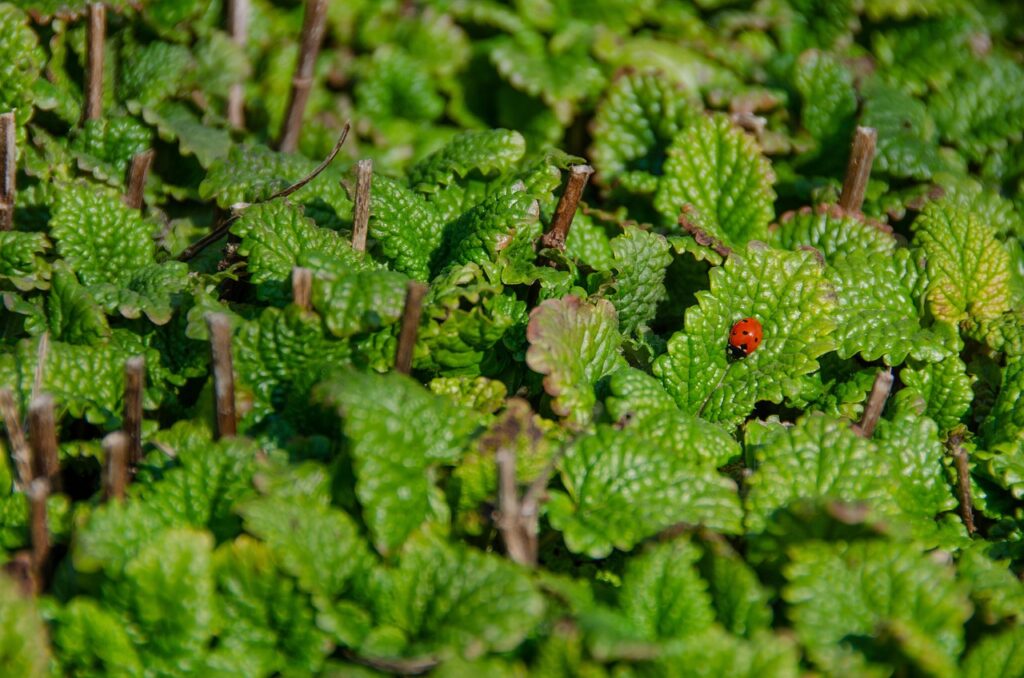
In the garden, lemon balm attracts beneficial pollinators, including bees and butterflies, while repelling some garden pests. The plant serves as a natural companion in vegetable gardens and provides aromatic groundcover in herb gardens.
Lemon balm grows as a hardy perennial in zones 4 through 9, returning year after year from established roots. In zones 3 and colder, gardeners can treat it as an annual or protect roots with heavy mulch for winter survival.
The plant self-seeds readily and can become aggressive in ideal conditions, spreading through both seeds and underground runners. Lemon balm thrives during the growing season from spring through fall, with peak growth occurring in late spring and early summer.
Gardeners plant lemon balm in herb gardens, cottage gardens, pollinator gardens, and as edging along pathways where brushing against the foliage releases its pleasant scent. The herb adapts to various garden conditions but performs best in moist, well-draining soil rich in organic matter.
Lemon balm tolerates full sun to partial shade, with afternoon shade proving beneficial in hot climates. The plant also grows successfully in containers, raised beds, and as part of kitchen garden collections, where easy access for harvesting matters most.
Lemon Balm Characteristics
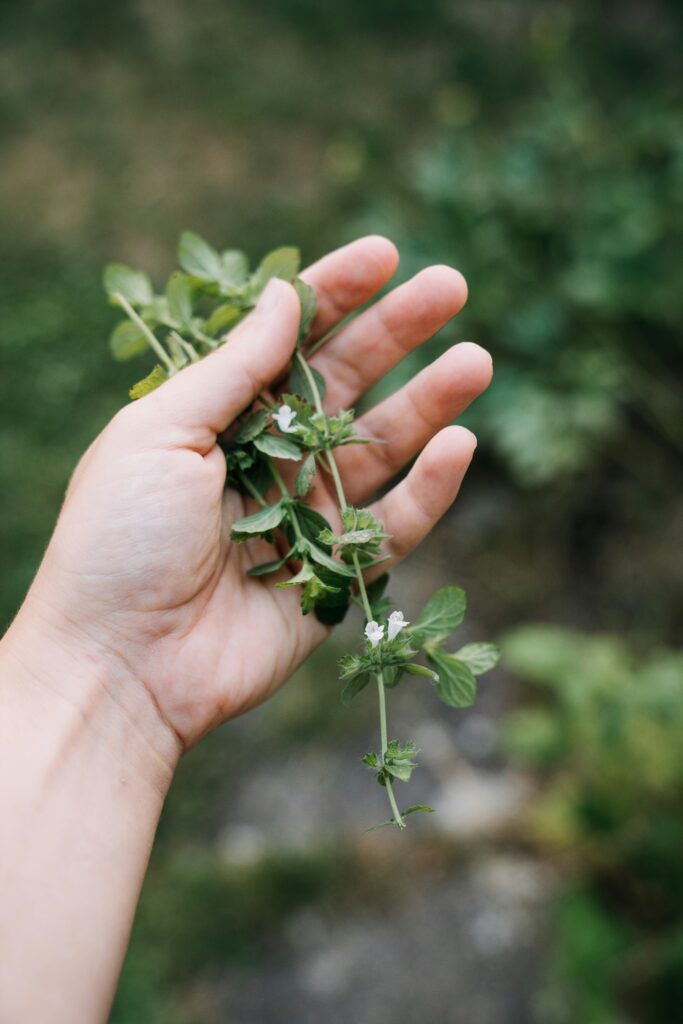
Lemon balm grows 12 to 24 inches tall and spreads 12 to 18 inches wide under typical garden conditions. The plant develops an upright, bushy growth habit with square stems characteristic of the mint family.
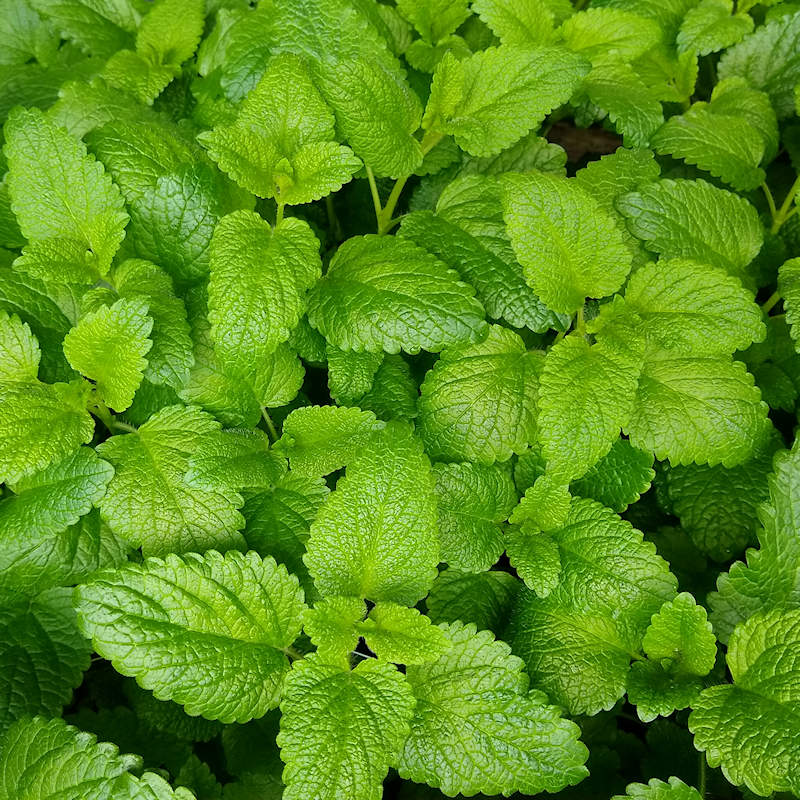
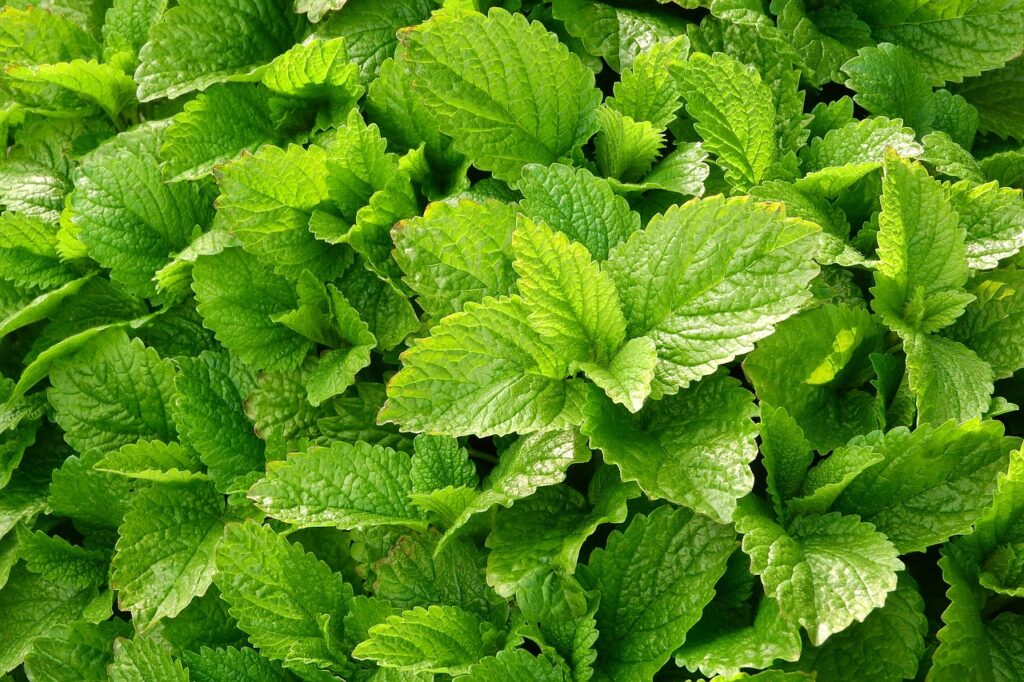
The bright green leaves are oval to heart-shaped with deeply serrated edges and prominent veining. Leaves grow in opposite pairs along the stems. The foliage releases a strong lemon scent when crushed or brushed.
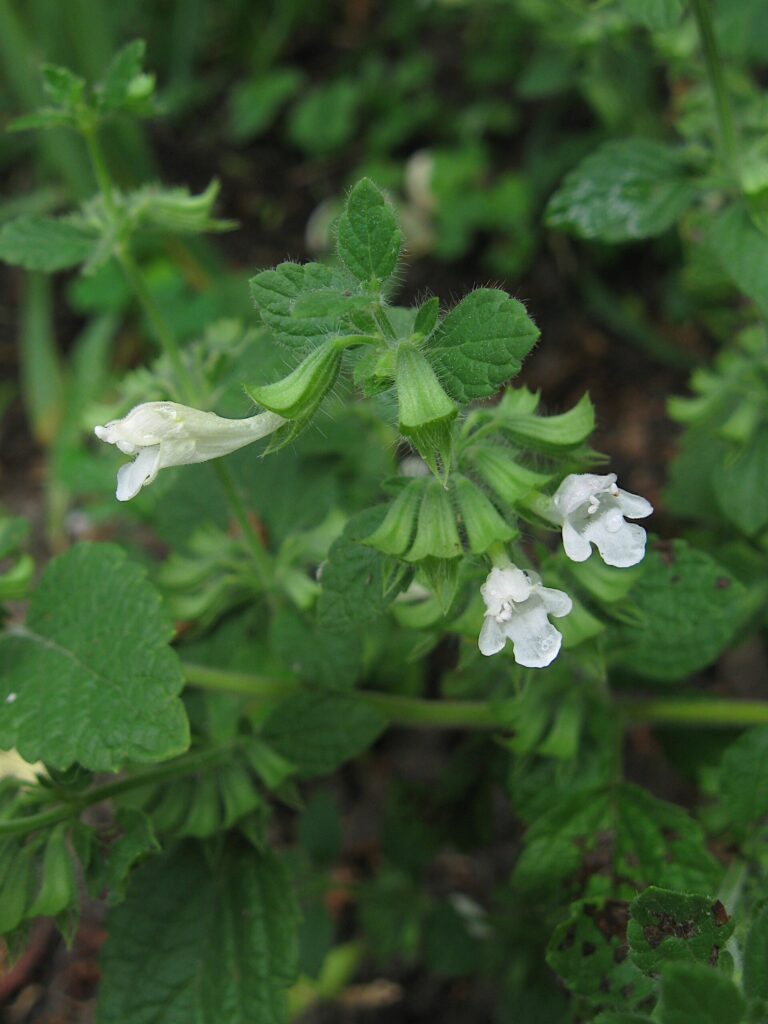
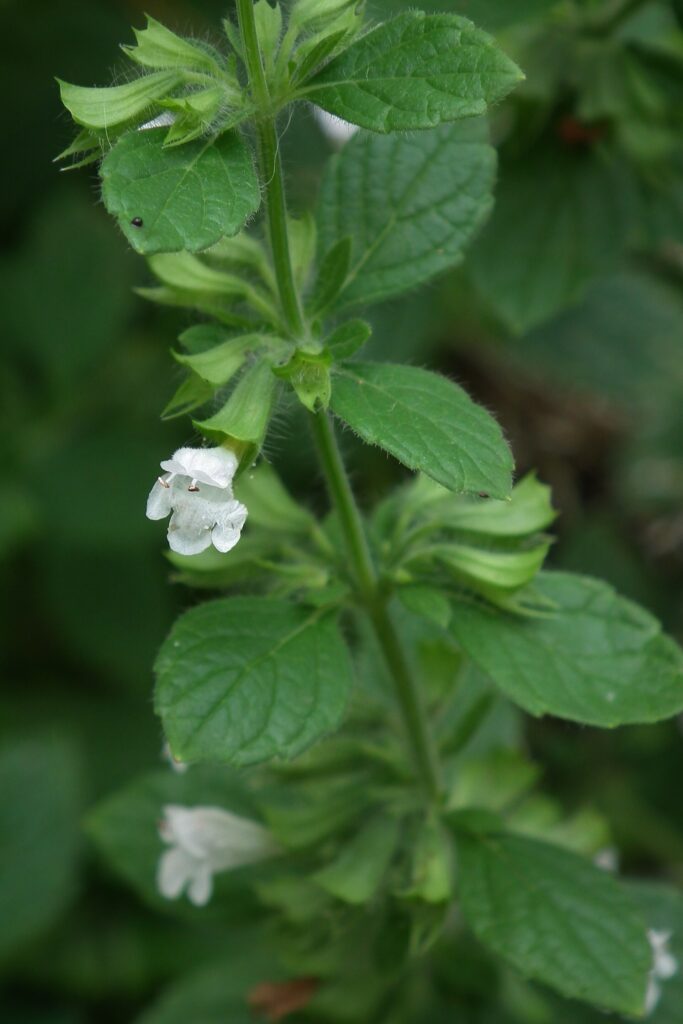
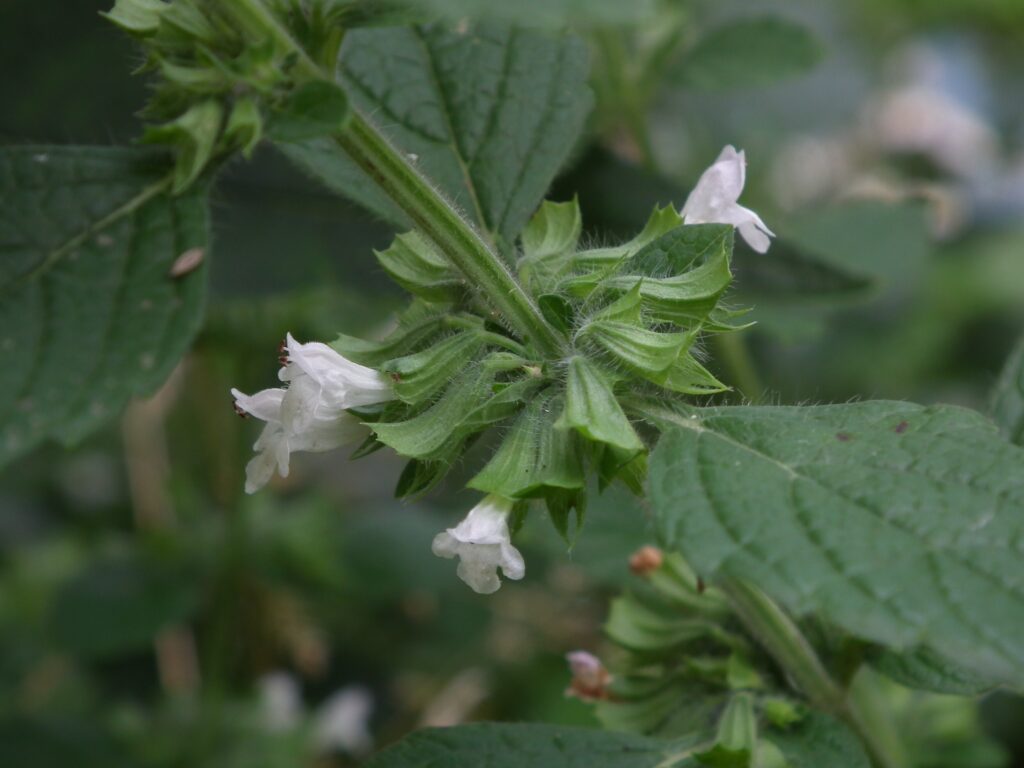
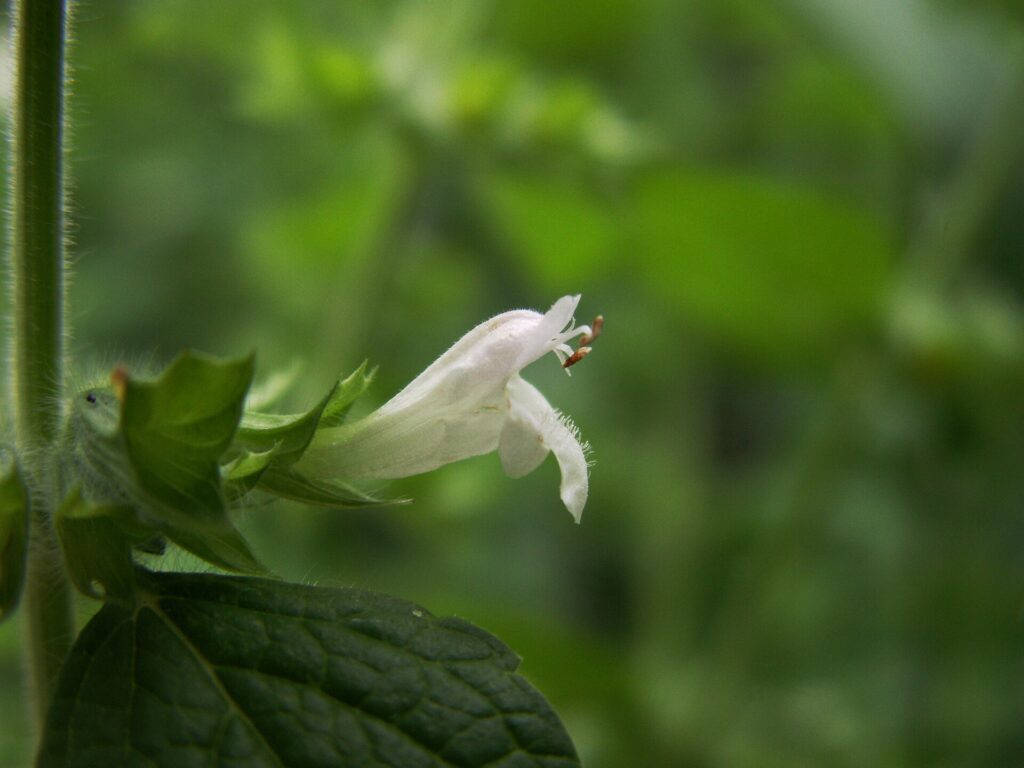
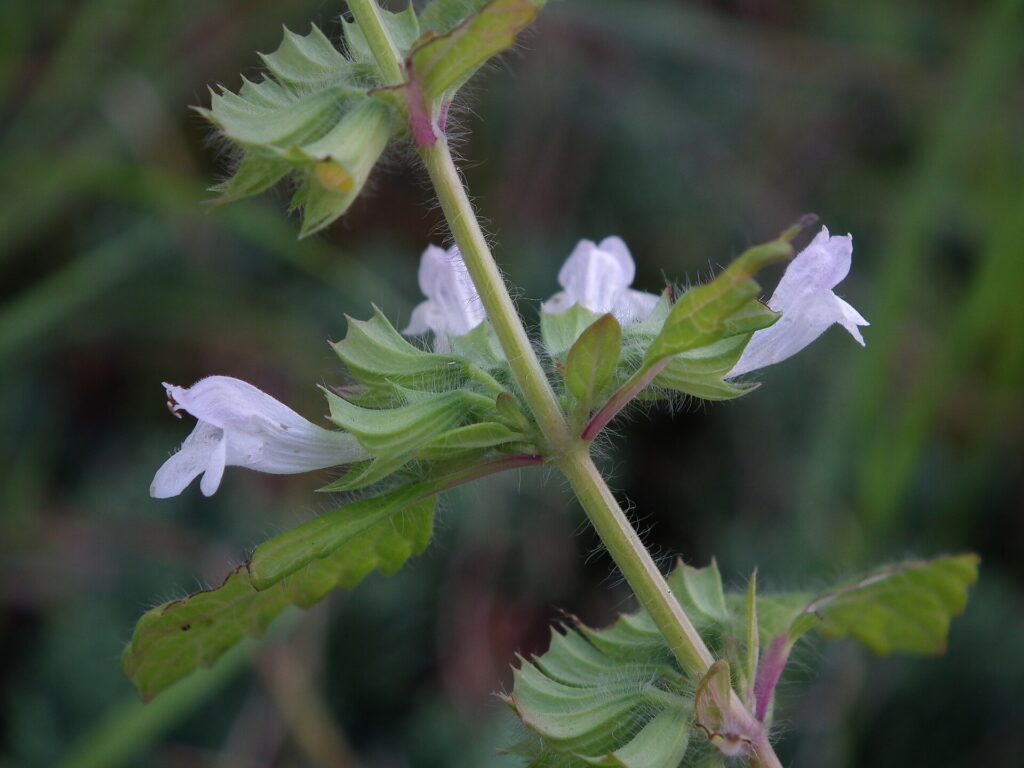
Lemon balm produces small tubular flowers that appear in clusters along the upper stems. Flowering occurs from mid to late summer, typically beginning in June and continuing through August. The blooms measure roughly one-quarter to one-half inch long.
Flowers appear in white, pale yellow, or light pink colors. While not particularly showy, the blooms prove highly attractive to bees and other pollinators.
Key Growing Requirements
Lemon balm adapts to a wide range of garden conditions while maintaining consistent performance. Understanding the plant’s basic requirements helps ensure successful establishment and vigorous growth throughout the season.
- Lifespan: Perennial in zones 4 through 9
- Mature height: 12 to 24 inches
- Mature spread: 12 to 18 inches
- Growth habit: Upright, bushy
- Leaf description: Oval to heart-shaped with serrated edges
- Light requirements: Full sun to partial shade
- Water requirements: Moderate, prefers consistently moist soil
- Soil requirements: Well-draining, rich in organic matter, pH 6.0 to 7.5
- Feeding requirements: Light feeder, benefits from compost or balanced fertilizer in spring
- Flower color: White, pale yellow, or light pink
- Flower size: One-quarter to one-half inch
- Flowering season: June through August
- Self-seeding: Self-seeds readily after flowering
Timing Your Lemon Balm Planting
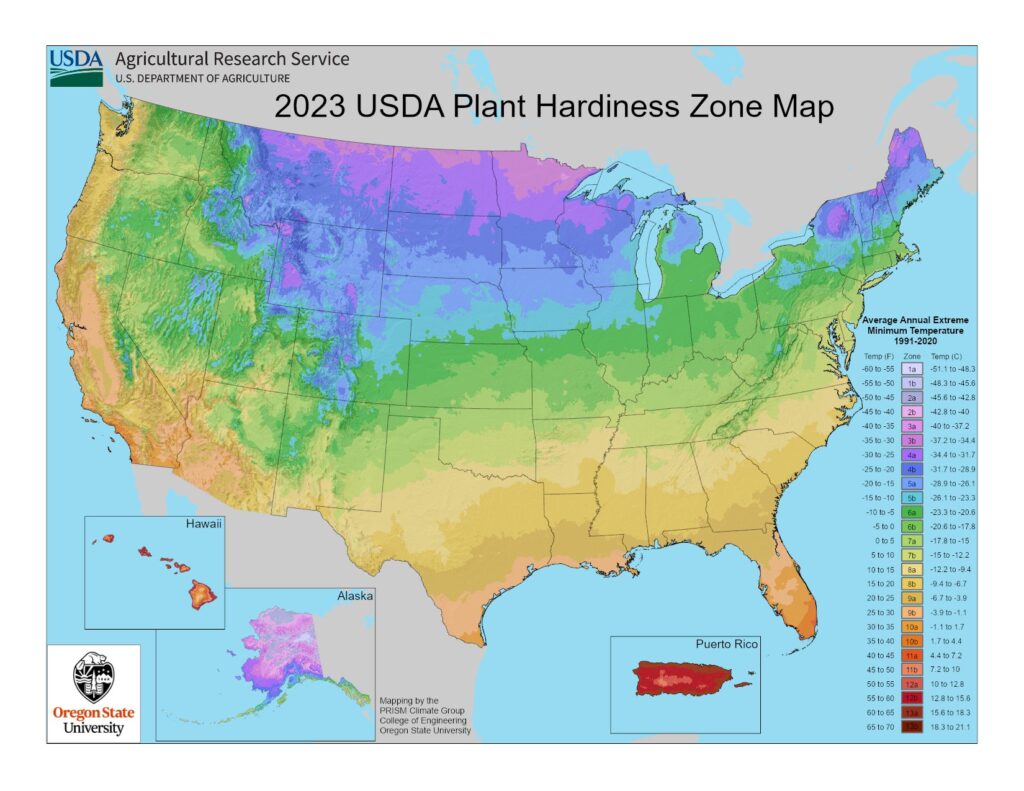
Lemon balm seeds can be started indoors for earlier establishment or sown directly into the garden after frost danger passes. Timing varies across climate zones based on last spring frost dates and growing season length.
Zones 3-5:
Start lemon balm seeds indoors 6 to 8 weeks before the last expected spring frost, typically in March or early April.
Direct sow seeds outdoors after all danger of frost has passed and soil temperatures reach at least 60 degrees Fahrenheit, usually in mid to late May.
Zones 6-8:
Start lemon balm seeds indoors 6 to 8 weeks before the last expected spring frost, typically in February or March.
Direct sow seeds outdoors from mid-April through May once soil warms to 60 degrees Fahrenheit.
In zones 7 and 8, gardeners can also direct sow in early fall for establishment before winter.
Zones 9-12:
Start lemon balm seeds indoors in late winter if desired, though indoor starting is rarely necessary in these warm climates.
Direct sow seeds outdoors from late winter through early spring, typically February through April.
In zones 10-12, gardeners can sow seeds in fall through winter during the coolest months.
Lemon Balm Seed Preparation
Lemon balm seeds benefit from cold stratification to improve germination rates. Cold stratification mimics natural winter conditions and breaks seed dormancy.
- Mix seeds with slightly moistened vermiculite or sand and place in a sealed plastic bag or container.
- Store in the refrigerator at 35 to 40 degrees Fahrenheit for 2 to 4 weeks.
- Check periodically to ensure the medium stays slightly moist but not wet.
- After stratification, sow seeds immediately for best results.
Preparing the Garden Bed for Planting Lemon Balm
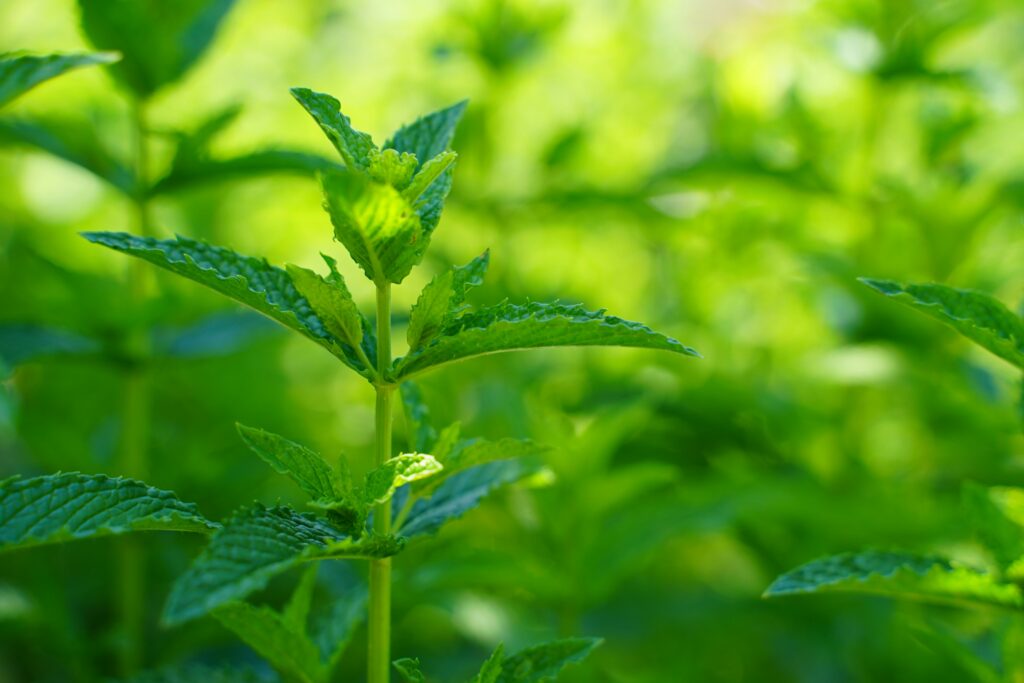
Proper site selection and soil preparation ensure lemon balm establishes quickly and thrives for years to come.
Choosing a Location
Select a garden bed with good drainage and easy access for regular harvesting. Lemon balm spreads through underground runners and self-seeding, so choose a location where this vigorous growth is welcome or plan to use barriers. Avoid planting near more delicate herbs or flowers that could be overtaken. Consider raised beds or containers to control spread.
Light Requirements
Lemon balm grows best in full sun to partial shade. In cooler climates, plant in full sun for vigorous growth and maximum oil production in the leaves. In hot climates, provide afternoon shade to prevent leaf scorch and reduce water stress. Aim for 4 to 6 hours of direct sunlight daily.
Moisture
Lemon balm prefers consistently moist soil but tolerates brief dry periods once established. Choose a location where you can water regularly during dry spells. Avoid areas that stay waterlogged or have poor drainage. The site should retain some moisture between waterings without becoming soggy.
Soil Type
Lemon balm thrives in rich, well-draining soil with ample organic matter. Work 2 to 3 inches of compost or aged manure into the top 6 to 8 inches of soil before planting. The ideal soil pH ranges from 6.0 to 7.5. Add lime to raise pH or sulfur to lower it based on soil test results. The soil should be loose and crumbly to support healthy root development.
Direct Sowing Lemon Balm Seeds
Lemon balm can be direct sown in the garden once soil warms and frost danger passes. Direct sowing works well in zones with long growing seasons but requires patience due to slow germination.
Lemon balm seeds germinate best when soil temperatures reach 65 to 75 degrees Fahrenheit. Wait to sow until soil has warmed adequately in spring. Cool soil temperatures significantly slow germination.
Prepare the soil by raking it smooth and removing debris. Press lemon balm seeds lightly onto the soil surface or cover with just one-eighth inch of fine soil. The seeds need light exposure to germinate, so avoid burying them deeply.
Lemon balm seeds require light to germinate. Press seeds onto the surface or cover very lightly so light can penetrate. Avoid planting in shaded areas during the germination period.
Water gently immediately after planting using a fine spray or misting nozzle. Keep the soil surface consistently moist until seedlings emerge. Water lightly once or twice daily in dry weather. Avoid washing seeds away with heavy watering.
Expect seedlings to emerge in 14 to 28 days when direct sown outdoors. Germination outdoors is slower and more uneven than indoor starting. Continue keeping the soil moist throughout the germination period.
Starting Lemon Balm Seeds Indoors
Lemon balm starts successfully indoors and benefits from the controlled environment. Indoor starting allows gardeners to get a head start on the growing season and ensures stronger transplants.
Use a lightweight seed starting mix for lemon balm. Purchase commercial seed starting mix or make your own by combining equal parts coco coir, vermiculite, and perlite. Avoid using garden soil, which is too heavy and may contain disease organisms.
Choose containers with drainage holes. Cell trays with individual cells measuring 2 to 3 inches wide work well. Soil blocks also provide excellent results. Larger containers allow roots more space to develop before transplanting. Avoid starting lemon balm in containers smaller than 2 inches.
Fill containers with moistened seed starting mix. Press seeds lightly onto the soil surface or cover with just one-eighth inch of mix. Lemon balm seeds need light to germinate, so avoid burying them deeply.
Mist the surface gently after planting. Keep the seed starting mix consistently moist but not waterlogged. Bottom watering works well to prevent disturbing seeds. Check moisture daily and mist as needed.
Maintain temperatures between 65 and 75 degrees Fahrenheit for best germination. Lemon balm seeds germinate more slowly in cooler conditions. Use a heat mat if needed to maintain consistent warmth.
Lemon balm seeds require light to germinate. Place containers in bright indirect light or under grow lights immediately after sowing. Keep lights on 14 to 16 hours daily.
Expect seedlings to emerge in 10 to 21 days. Germination can be slow and uneven. Continue providing light and maintaining moisture until seedlings appear.
When to Plant Out Lemon Balm Plants
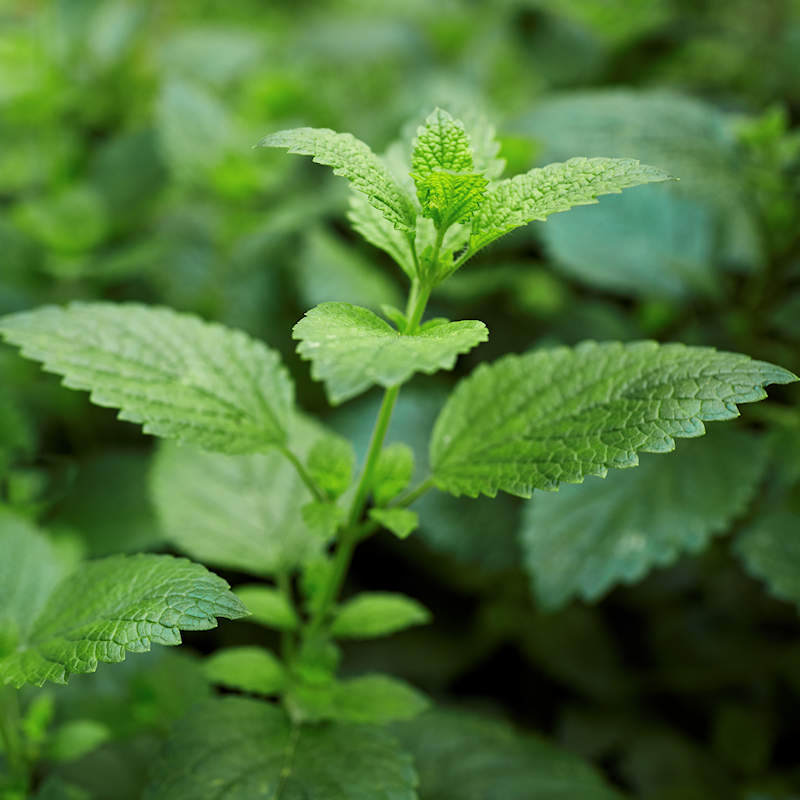
Lemon balm seedlings are ready to transplant when they have developed 4 to 6 true leaves and stand 3 to 4 inches tall. This typically occurs 6 to 8 weeks after germination.
Wait until all danger of frost has passed and nighttime temperatures consistently stay above 45 degrees Fahrenheit. Transplant on a cloudy day or in the evening to reduce stress on young plants.
Hardening Off Lemon Balm
Begin hardening off lemon balm seedlings 7 to 10 days before transplanting. Place seedlings outdoors in a sheltered, shaded location for 1 to 2 hours on the first day. Protect plants from strong wind and direct sun initially.
Gradually increase outdoor exposure by 1 to 2 hours each day. Move plants into partial sun after 3 to 4 days of shade exposure. Continue increasing time outdoors daily.
By day 7, seedlings should remain outside all day and night if temperatures stay above 45 degrees Fahrenheit. Reduce watering slightly during hardening off, but do not let plants wilt.
Bring seedlings indoors if temperatures drop below 40 degrees Fahrenheit or if strong winds or heavy rain threaten to damage them. Resume the hardening process once conditions improve.
Planting Out Lemon Balm
Dig holes slightly deeper and wider than the root ball of each seedling. Space holes 12 to 18 inches apart in rows set 18 to 24 inches apart. For container planting, use pots at least 12 inches in diameter.
Remove seedlings carefully from their containers. Gently loosen any roots that circle the root ball. Place each seedling in its hole so the base of the stem sits at the same depth it grew in the container. Fill around roots with soil and firm gently.
Apply a 2 to 3 inch layer of organic mulch around plants. Keep mulch pulled back 2 to 3 inches from the base of stems. Shredded leaves, straw, or compost work well. Mulch helps retain moisture and suppress weeds.
Water thoroughly immediately after planting. Provide enough water to moisten the soil 6 to 8 inches deep. Water every 2 to 3 days for the first two weeks if rainfall is insufficient. After establishment, water when the top inch of soil feels dry.
Lemon Balm Care
Regular maintenance keeps lemon balm healthy, productive, and under control throughout the growing season.
Watering
Water lemon balm regularly to maintain consistently moist soil throughout the growing season. Provide 1 to 1.5 inches of water per week through rainfall or irrigation. Water deeply to encourage strong root development.
Check soil moisture by inserting your finger 1 to 2 inches into the soil. Water when the top inch feels dry.
Established plants tolerate brief dry periods but perform best with regular moisture. Avoid overhead watering in the evening to reduce disease risk.
Feeding
Feed lemon balm lightly in spring as new growth emerges. Apply compost or a balanced fertilizer around the base of plants.
Lemon balm is a light feeder and excessive fertilization reduces essential oil concentration in the leaves.
Side-dress with compost once or twice during the growing season if plants appear pale or grow slowly. Avoid high-nitrogen fertilizers that promote excessive leafy growth at the expense of flavor.
Weeding
Keep the area around lemon balm plants free of weeds during establishment. Weeds compete for nutrients, water, and light.
Hand-pull weeds carefully to avoid disturbing shallow roots. Alternatively, you can snip weeds off at ground level and use them as a mulch if they haven’t gone to seed.
Mulch helps suppress weed growth significantly. Once lemon balm establishes, its vigorous growth naturally suppresses most weeds. Monitor for invasive grasses that may compete with the herb.
Pest Control
Monitor lemon balm regularly for common pests including aphids, spider mites, and whiteflies. Remove aphids with a strong spray of water or apply insecticidal soap.
Spider mites appear during hot, dry weather and can be controlled with regular watering and increased humidity.
Whiteflies respond to yellow sticky traps or insecticidal soap applications.
The good news is that lemon balm rarely experiences serious pest problems. The aromatic oils in the foliage naturally repel many garden pests. This makes them an excellent companion plant for your vegetable garden.
Tips and Tricks for Growing Lemon Balm
Lemon balm responds well to simple maintenance practices that encourage bushier growth and prevent excessive self-seeding. Understanding a few key techniques helps gardeners maximize harvests while controlling the plant’s vigorous spreading habit.
- Pinch back lemon balm regularly to encourage bushy, compact growth. Remove the top 2 to 3 inches of stems when plants reach 6 to 8 inches tall. Continue pinching throughout the growing season to promote branching. Pinching also delays flowering, which keeps leaves more flavorful and productive.
- Cut lemon balm back by half in midsummer after the first flush of growth. This encourages fresh new growth and extends the harvest season into fall. Remove flower stalks as they appear to prevent self-seeding and maintain leaf quality. Allowing plants to flower reduces leaf production and flavor intensity.
- Divide established lemon balm clumps every 2 to 3 years to maintain vigor and control spread. Dig up plants in early spring and separate them into sections with roots attached. Replant divisions or share with other gardeners. Install root barriers or grow lemon balm in containers to prevent unwanted spreading through underground runners. Harvest lemon balm frequently to encourage continuous new growth. Cut stems back to 2 to 3 inches above ground level. Plants regrow quickly and provide multiple harvests throughout the season. Regular harvesting keeps plants productive and prevents them from becoming woody or overgrown.
Harvesting Lemon Balm
Lemon balm provides abundant harvests throughout the growing season for both fresh use and preservation. The leaves reach peak flavor and essential oil content just before flowering begins. Regular harvesting encourages bushier growth and extends the productive period.
Harvesting Lemon Balm for Cut Flowers
Lemon balm flowers work well as filler material in mixed bouquets and herbal arrangements. The small white or pale yellow blooms appear in delicate clusters along the stems and add texture without overwhelming other flowers.
While not showy on their own, lemon balm flowers contribute pleasant fragrance and airy movement to arrangements. The foliage itself serves as attractive greenery with its bright leaves and lemony scent.
Harvest lemon balm stems for arrangements when flowers just begin to open. Cut stems in the morning after dew dries but before afternoon heat.
Select stems 8 to 12 inches long with healthy foliage and fresh blooms. Lemon balm has a moderate vase life of 5 to 7 days when properly cared for.
The herb combines beautifully with roses, lavender, daisies, and other cottage garden flowers. Use lemon balm in kitchen bouquets, herbal wreaths, or as fragrant filler in summer arrangements.
- Cut stems at an angle using sharp, clean scissors or pruners
- Remove lower leaves that would sit below the water line
- Place stems immediately in lukewarm water
- Change water every 2 to 3 days
- Keep arrangements away from direct sunlight and heat
- Trim stem ends every few days to prolong freshness
Harvesting Lemon Balm for Tea
Lemon balm makes a soothing herbal tea enjoyed for its pleasant flavor and traditional calming properties. The tea has been used for centuries to reduce stress, promote relaxation, aid digestion, and support sleep.
Fresh or dried leaves create a mild, lemony infusion suitable for daily enjoyment. The leaves contain the essential oils responsible for both flavor and therapeutic benefits.
- Harvest lemon balm leaves in the morning after dew dries for best flavor
- Cut stems 4 to 6 inches from the top of the plant
- Choose stems with young, tender leaves before flowering begins
- Rinse harvested stems gently in cool water and pat dry
- Strip leaves from stems for immediate use or drying
- Use 1 to 2 tablespoons fresh leaves per cup of tea
- Pour boiling water over leaves and steep 5 to 10 minutes
- For dried tea, use 1 teaspoon dried leaves per cup
- Dry leaves by hanging stems in a warm, dark, well-ventilated area
- Store dried leaves in airtight containers away from light and moisture
How Long Does Lemon Balm Bloom
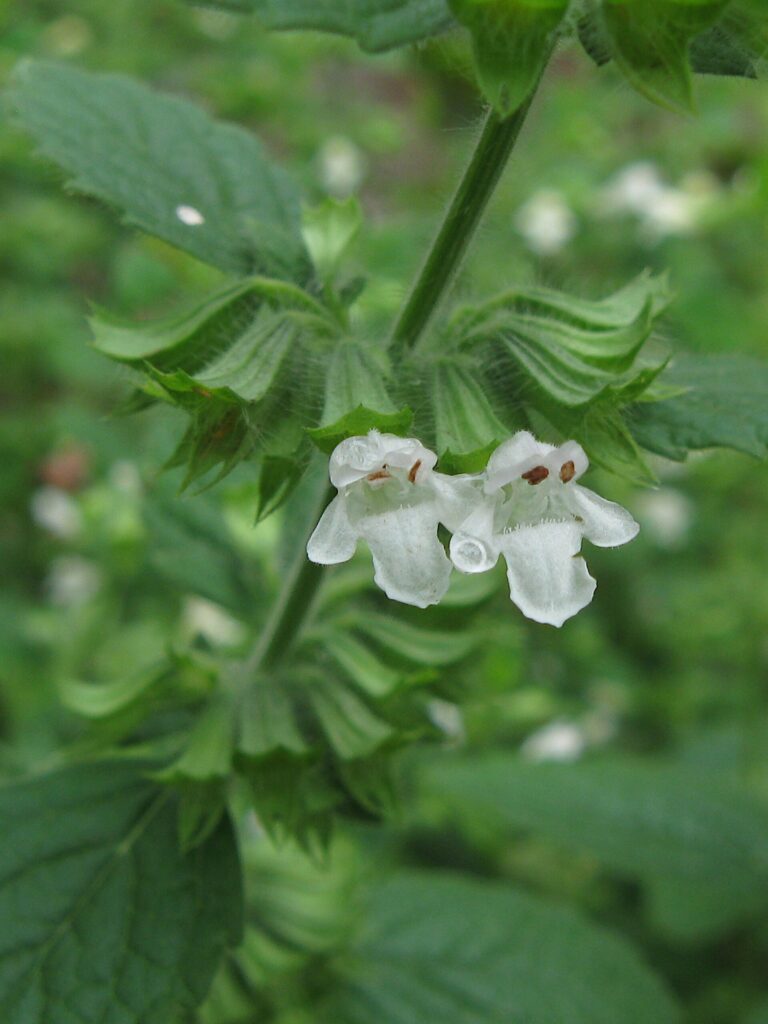
Lemon balm typically blooms for 4 to 8 weeks during mid to late summer, usually from June through August. The flowering period varies based on climate, growing conditions, and whether gardeners remove flower stalks.
Plants that are regularly harvested or pinched back may bloom later or produce fewer flowers. Once flowering begins, seed formation follows quickly if blooms are left on the plant.
After flowering, lemon balm continues growing until fall frost in most zones. The plant focuses energy on seed production if flowers remain on the stems.
In zones 4 through 9, lemon balm dies back to the ground with the first hard frost but returns from the roots the following spring. The dormant crown survives winter underground.
In zones 8 and warmer, lemon balm may remain semi-evergreen through mild winters. Plants self-seed prolifically if flowers are allowed to mature and drop seed. Volunteers appear readily the following spring, sometimes becoming weedy.
Lemon balm provides value to wildlife even after flowering ends. The seeds attract small seed-eating birds including finches and sparrows. The dried stems offer minor winter structure in the garden. Beneficial insects may overwinter in the dead foliage if left standing through winter.
Wildlife benefiting from lemon balm:
- Honeybees feed heavily on nectar during bloom
- Bumblebees visit flowers throughout the day
- Native solitary bees collect pollen and nectar
- Butterflies including swallowtails and skippers nectar on blooms
- Hummingbirds occasionally visit flowers
- Finches and sparrows eat seeds in fall and winter
Collecting Lemon Balm Seed for Planting
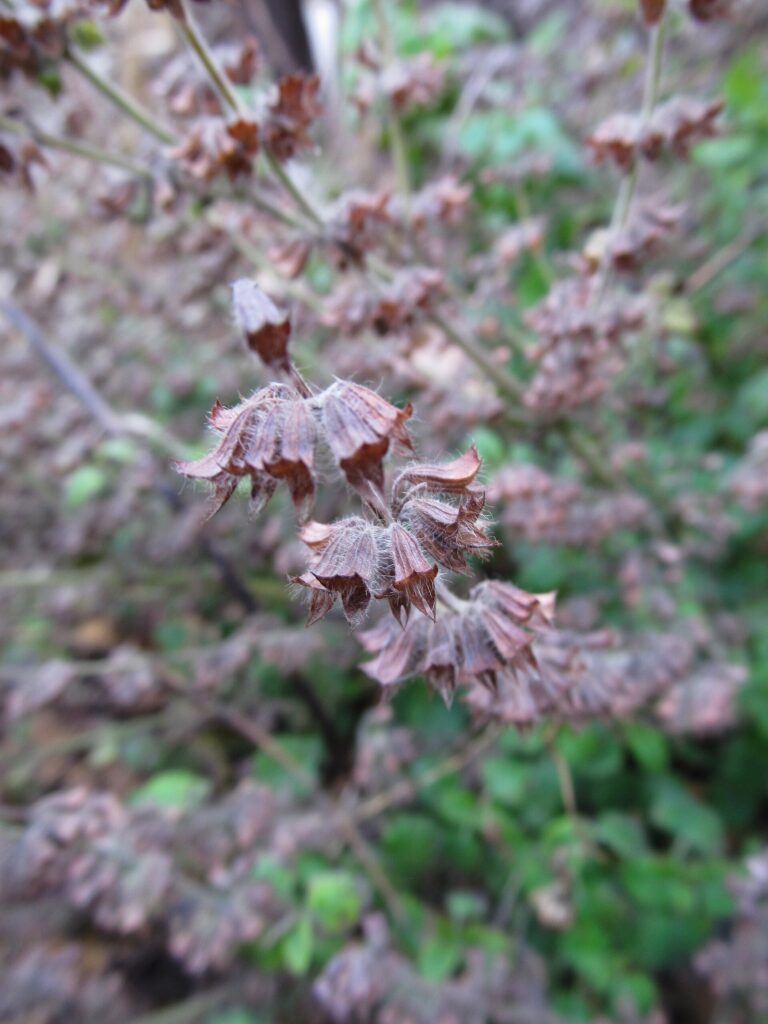
Allow lemon balm flowers to remain on the plant and mature fully for seed collection. The small seeds develop inside the flower calyxes after petals fade. Seeds ripen 4 to 6 weeks after flowering begins.
Watch for the flower heads to turn brown and dry on the stem. The tiny seeds change from green to brown or black when mature.
Cut entire stems with dried seed heads on a dry, sunny day. Place stems upside down in a paper bag and secure the opening loosely. Hang the bag in a warm, dry location with good air circulation. Allow stems to dry completely for 2 to 3 weeks. Shake the bag periodically to release seeds from the dried flower heads.
Remove stems from the bag once fully dry. Shake remaining seeds into the bag. Separate seeds from chaff by gently blowing or using a fine-mesh sieve. Lemon balm seeds are very small and dark brown to black when ripe.
Store cleaned seeds in paper envelopes or small glass jars. Label containers with the plant name and collection date. Keep seeds in a cool, dry, dark location.
Lemon balm seeds remain viable for 2 to 3 years when properly stored. Store seeds at 35 to 40 degrees Fahrenheit for longest viability. Some gardeners refrigerate seeds to maintain freshness.
Growing Lemon Balm in Your Garden
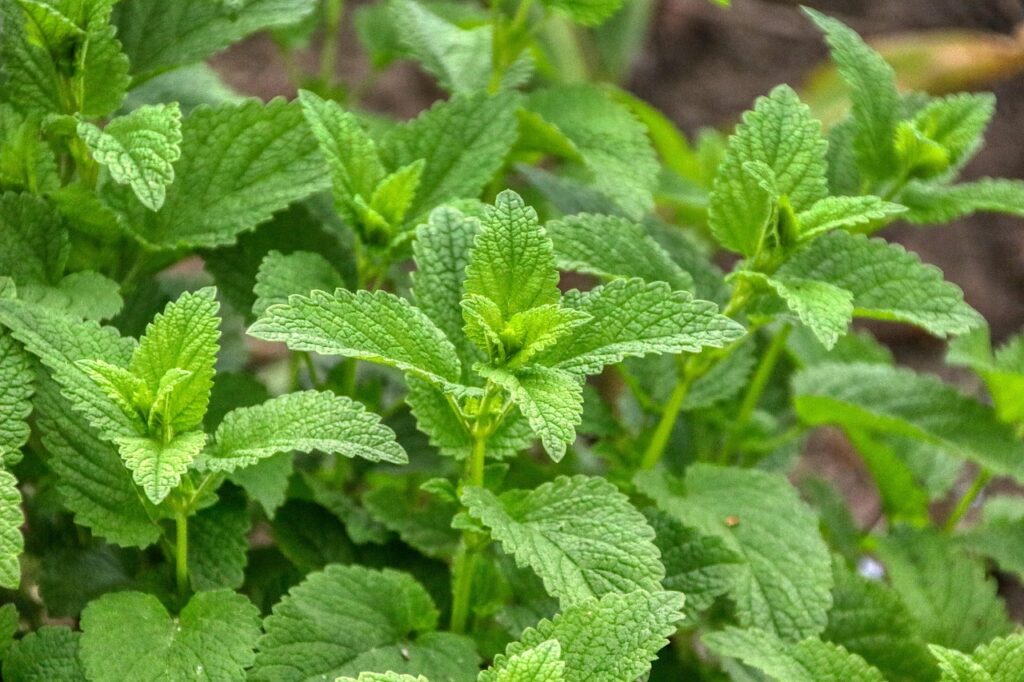
Lemon balm offers home gardeners a versatile, low-maintenance perennial herb that returns year after year with minimal care. This fragrant member of the mint family provides abundant harvests of lemony leaves for tea, culinary uses, and natural remedies throughout the growing season.
The plant attracts beneficial pollinators, tolerates various growing conditions, and thrives in containers or garden beds. With proper site selection and occasional harvesting to control spread, lemon balm becomes a reliable staple in herb gardens and kitchen landscapes.
Start your lemon balm seeds this season and enjoy fresh, aromatic leaves just steps from your kitchen. Whether you grow a single container on your patio or establish a patch in your herb garden, this hardy perennial rewards your efforts with years of productive growth.
Plant lemon balm now and discover why gardeners have treasured this beneficial herb for centuries. The bees in your garden will thank you too.