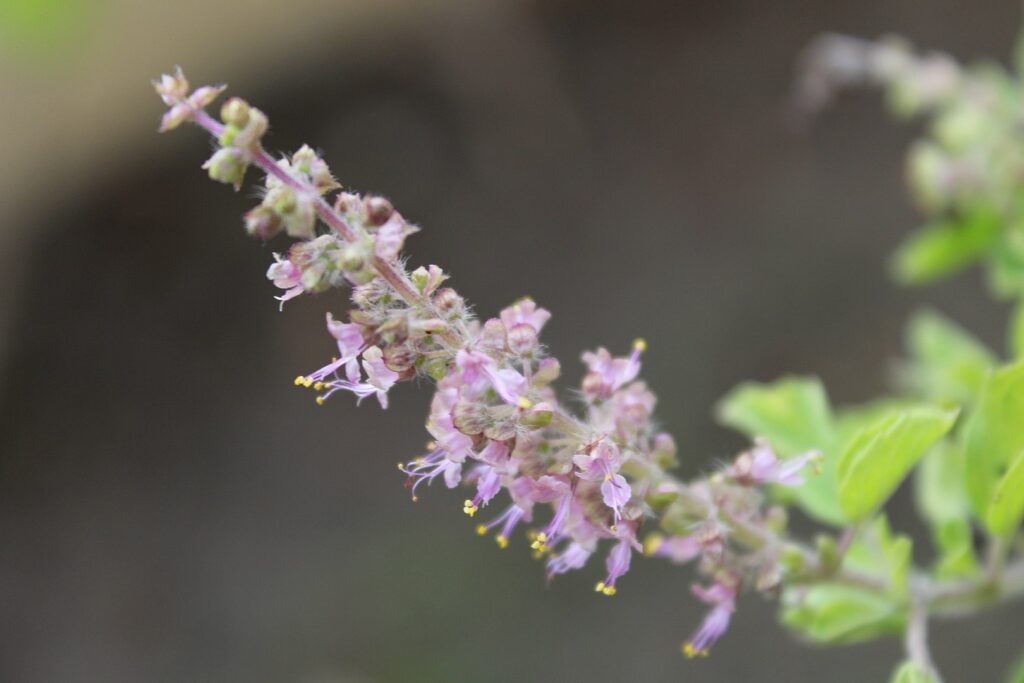
Holy Basil (Ocimum tenuflorum, syn O. Sanctum), also known as Tulsi, is a revered herb with a rich history of medicinal and spiritual significance. Growing Holy Basil in your garden results in flushes of aromatic leaves and a profusion of purple or white flowers.
Tulsi flourishes in a variety of climates and is highly esteemed for its therapeutic properties and culinary uses.

Tulsi is an annual herb with an upright growth habit, reaching heights of 2 to 3 feet tall. Its fragrant leaves have a distinct clove and basil aroma and flavor.
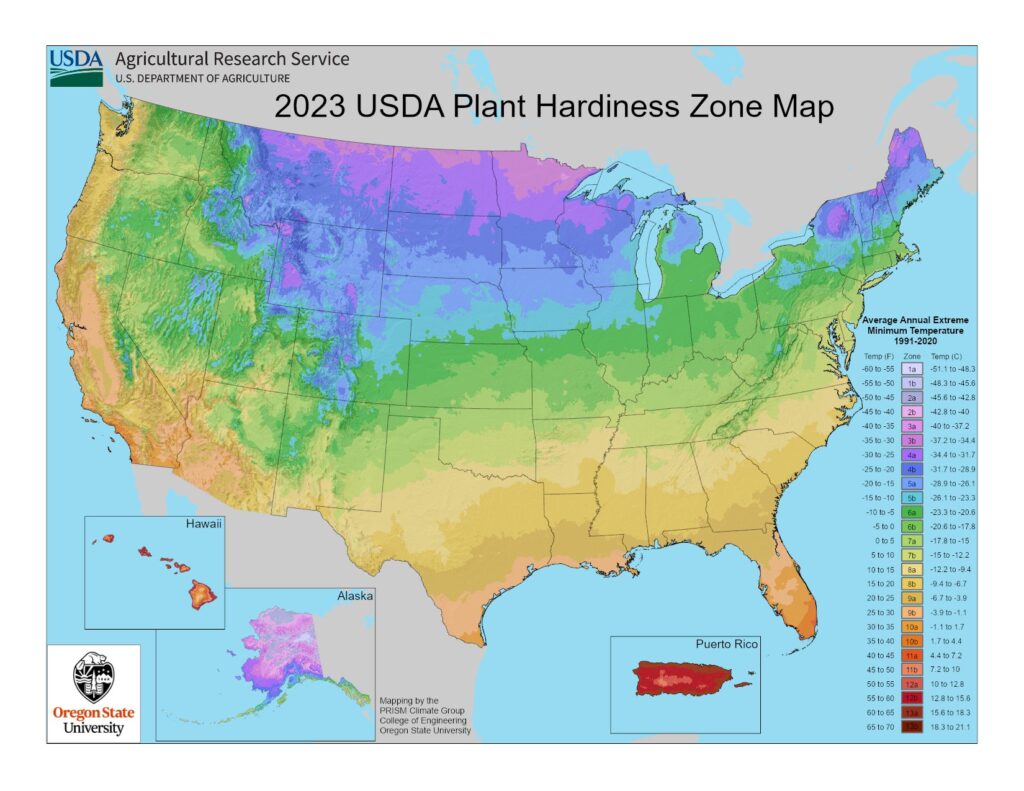
The flowers can be purple or white and attract pollinators. Holy Basil adapts well to zones 3 to 12 and prefers warm seasons with full sun to partial shade.
When to Start Holy Basil Indoors
In zones 3-5, where frost can persist, start Holy Basil (Tulsi) seeds indoors 6-8 weeks before the last expected frost, typically in early spring.
Zones 6-8 have milder winters, and you can begin indoor seeding 4-6 weeks prior to the last expected frost, usually in late winter.
In zones 9-12, where frost is less of a concern, you can sow seeds directly outdoors in the fall or early winter or start them indoors during the winter season to plant out once past your last frost date or when day temperatures are reliably above 60°F.
Starting Holy Basil Seeds Indoors
Prepare a well-draining seed starting mix by blending equal parts of perlite, coconut coir, and compost. Ensure it is slightly moist but not waterlogged.
Choose seed trays or pots with drainage holes to prevent water stagnation.
Sow the Holy Basil seeds 1/8 inch deep in the seed starting mix. Or surface sow and press seeds firmly into the soil.
Maintain consistent moisture by misting the soil surface. Cover the containers with plastic wrap or a humidity dome to create a controlled environment.
Holy Basil germinates best at temperatures between 75-85°F (24-29°C). A heat mat can help maintain the warmth required.
Place in a bright, well-lit window or provide 14-16 hours with a grow light daily. Once seedlings develop, relocate them to a sunny area.
When seedlings have at least two true leaves and the threat of frost has passed, transplant them into larger containers to allow for root growth.
Preparing the Garden Bed
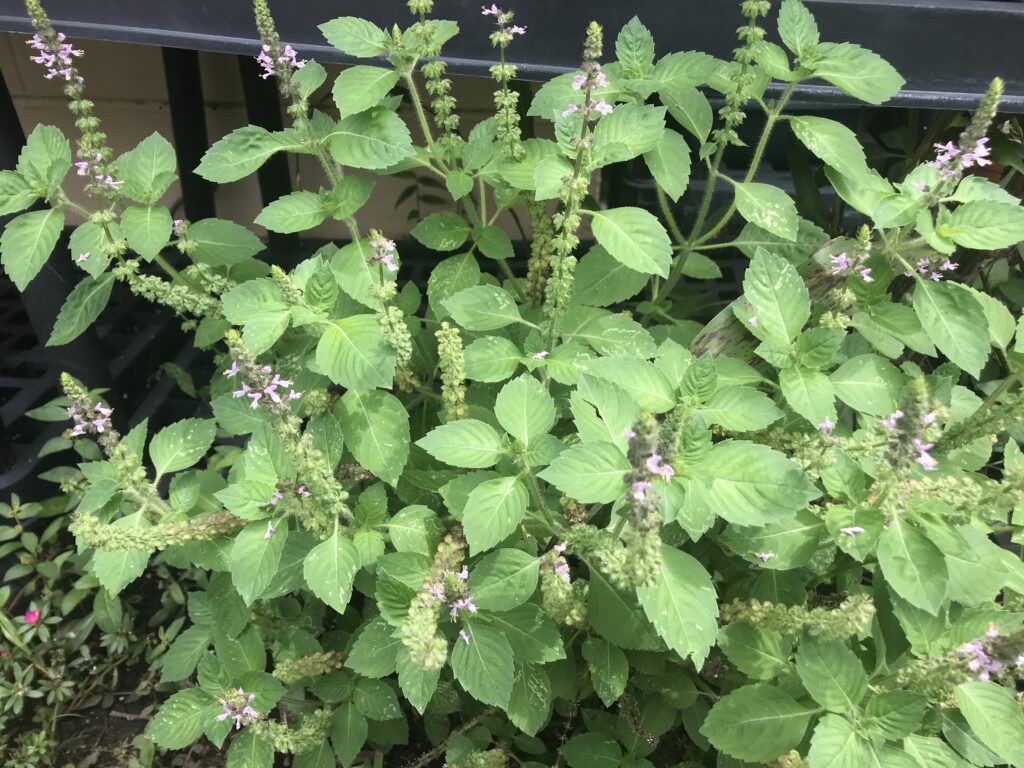
Choose a sunny spot with well-drained soil for your Tulsi plants. Ensure they receive at least 6 hours of sunlight daily.
Tulsi thrives in well-draining, fertile soil. Adding a layer of compost or aged manure can enhance soil quality.
Space Holy Basil plants 12-18 inches apart to accommodate their mature size.
Keep the soil consistently moist, especially during dry periods, but avoid overwatering.
Hardening Off Holy Basil Starter Plants
Gradually acclimate young plants to outdoor conditions over 7-10 days. Begin by placing them in a sheltered location and gradually exposing them to sunlight and wind.
Planting Holy Basil
Plant Holy Basil seedlings at the same depth as their root ball.
Maintain the recommended spacing of 12-18 inches between plants.
Apply a layer of organic mulch, such as hay, straw, or woodchips, around the plants to retain moisture and suppress weeds.
Water deeply after planting to settle the soil. Continue to keep the soil consistently moist, especially for the first week or so.
Caring for Tulsi Plants
Maintain even moisture, especially during dry spells. Holy Basil prefers consistently damp but not waterlogged soil.
Apply a balanced, organic fertilizer once blooms appear or side dress with compost.
Regularly remove weeds to reduce competition for nutrients. Cutting them at ground level and covering with mulch will help improve your soil structure over the long haul.
Tips and Tricks for Growing Holy Basil
Prune Tulsi regularly to encourage bushier growth and more flavorful leaves.
Use companion planting with marigolds to deter common pests.
Organic pest control options include using garlic spray or introducing beneficial insects like ladybugs.
Proper air circulation and avoiding overhead watering can help prevent disease.
Harvesting Tulsi
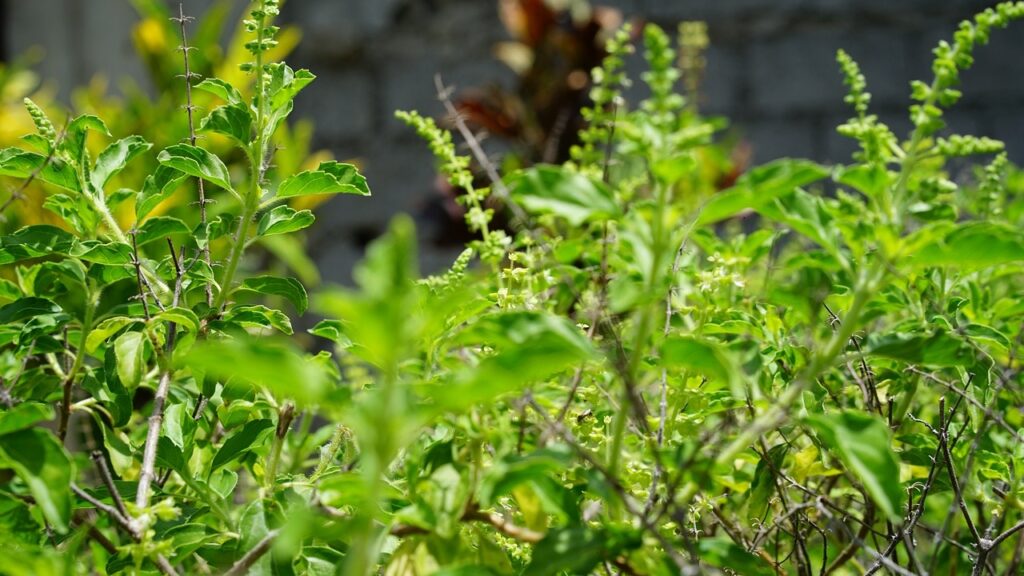
For tea and culinary purposes, harvest leaves when the plant is mature but before it flowers. Use clean, sharp scissors or pruning shears to snip the leaves.
Dry leaves by hanging them in a well-ventilated, dry area. Once completely dry, store them in an airtight container away from light and moisture.
Harvesting Holy Basil Seeds
Collect seeds from mature plants when the seed pods turn brown and begin to split open. Remove the seeds and store them in a cool, dry place.
Over Winter and the Next Spring
Holy Basil usually does not survive frost or low temperatures below 45°F. However, it often self-seeds prolifically.
Growing Tulsi is a rewarding endeavor that offers numerous benefits, from culinary delights to medicinal applications. With proper care and attention to detail, you can cultivate this sacred herb to enhance your garden and well-being.