Liatris species, commonly known as Blazing Stars, are perennial favorites in gardens for their striking flower spikes and ease of care. Native to North America, particularly meadows and prairies, these plants offer a unique aesthetic with their tall, narrow profiles and vibrant blooms that attract a host of pollinators including butterflies, bees, and hummingbirds. Growing blazing stars from seed is an excellent way to support wildlife in your garden while adding dramatic vertical interest to your flower beds.

Other Liatris Species
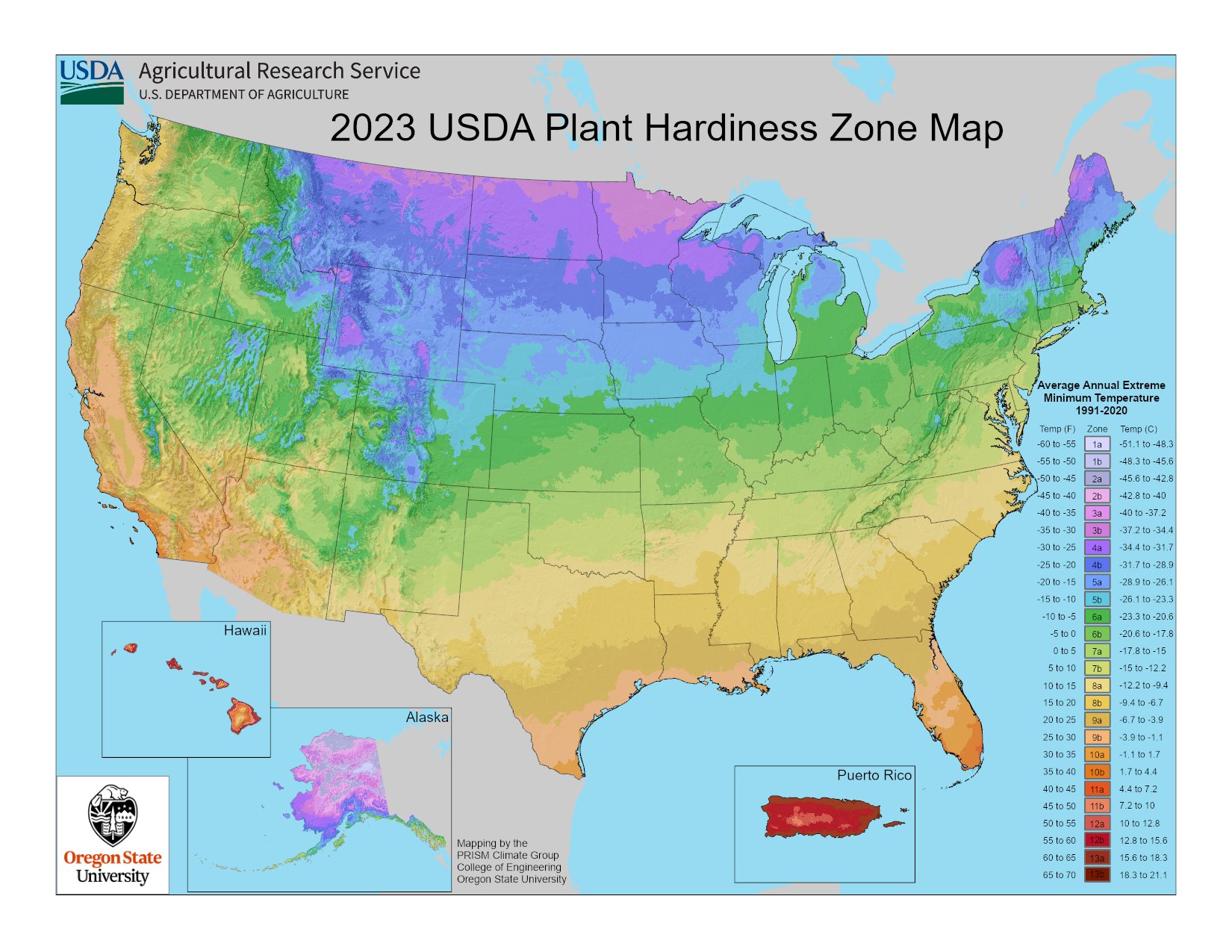
Several Liatris species offer gardeners different options depending on their growing conditions. For example Marsh Blazing Star (Liatris spicata) typically reaches a mature height of 2 to 4 feet and spreads about 1 to 2 feet, thriving in USDA Hardiness Zones 3 through 9.
Meadow Blazing Star (Liatris ligulistylis) grows considerably taller at 4 to 7 feet with a similar spread, thriving in USDA Hardiness Zones 3 through 6. It’s a known monarch butterfly attractor with distinct flower arrangement.
Most species favor full sun, though their soil and moisture preferences differ significantly in ways that are critical to success.
Others include:
- Liatris aspera (Button Blazing Star): Taller with looser flower spikes.
- Liatris pycnostachya (Prairie Blazing Star): Prefers moist conditions and has dense flower spikes.
- Liatris scariosa (Northern Blazing Star): Features lavender to purple flowers and adapts to drier soils.
Each species contributes unique characteristics to natural and cultivated landscapes, making the Liatris genus diverse and ecologically significant.
When to Start Liatris Blazing Stars from Seed
The timing for starting blazing star seeds varies based on your USDA Hardiness Zone and which species you’re growing.
In Zones 3-5
To start either Marsh Blazing Star or Meadow Blazing Star indoors, begin 6 to 8 weeks before the last expected frost date.
Starting seeds indoors during late winter or early spring gives them a head start. Both species grow well in these cooler zones.
Wait until the danger of frost has passed and the soil has warmed up to direct sow, usually late spring or early summer.
In Zones 6-8
Start seeds indoors about 4 to 6 weeks before the last frost date. This ensures that the seedlings are strong enough to be transplanted outdoors.
Alternatively, direct sow in the garden after the last frost when the soil temperature has risen, typically in late spring.
In Zones 9-12
In these warmer climates, start seeds indoors about 2 to 4 weeks before the last expected frost.
You can also try growing blazing stars from seed by sowing directly into the garden.
Meadow Blazing Star is not recommended for zones 9 and above as it prefers cooler climates.
For all zones, ensure the soil temperature is suitable for germination, which is around 70°F (21°C).
Both species require a period of cold stratification, so if starting indoors, this process needs to be mimicked by placing the seeded pots in a refrigerator for several weeks before moving them to a warmer environment to germinate.
You can also winter sow them outdoors over the colder months. I’ve tried this myself with Marsh Blazing Stars, and it works well.
Cold Stratification Before Growing Blazing Stars from Seed
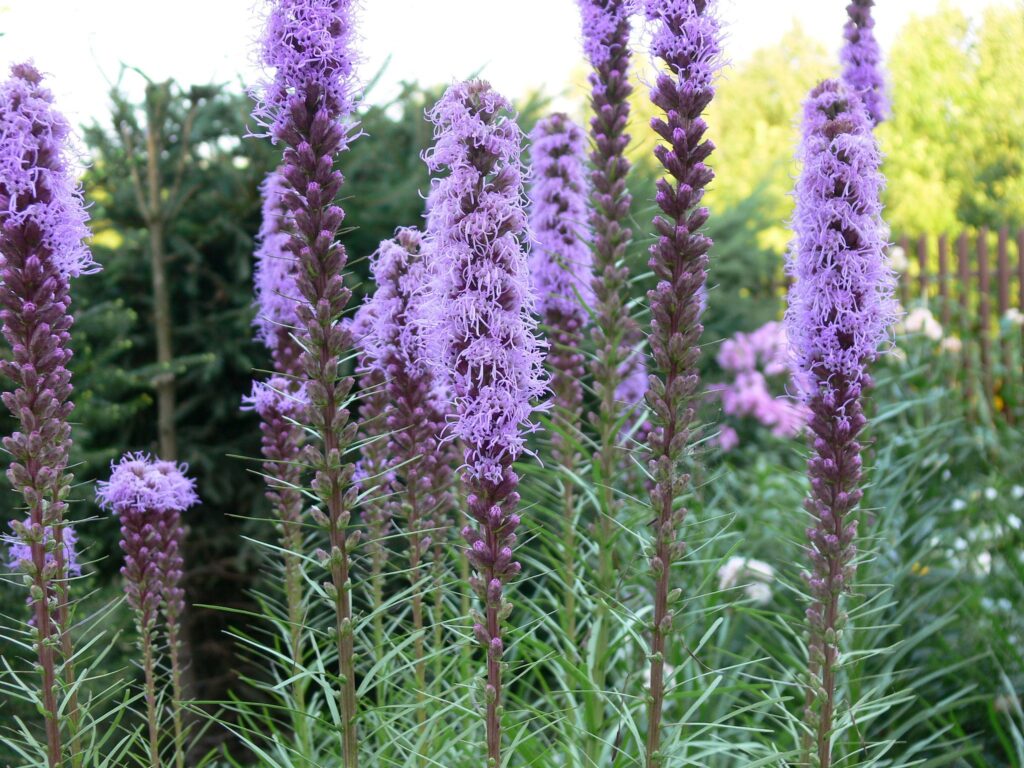

Blazing Star seeds require cold stratification to simulate winter conditions and break dormancy, leading to successful germination.
Here’s how to cold stratify them:
- Begin with a seed starting mix, moistening it so it’s damp but not waterlogged.
- Place the seeds in the moistened mix, ensuring they are just lightly covered.
- Place the seed-filled mix in a plastic container or sealable bag. This helps maintain the moisture level.
- Put the container or bag in the refrigerator. The seeds need to be kept at a cold temperature, around 35-40°F (1.5-4.5°C), for a period of 4-6 weeks.
- In general, Marsh Blazing Star seeds need 4 to 6 weeks of cold stratification, while Meadow Blazing Star and Button Blazing Star (Liastris aspera) seeds require a longer stratification period of 8 weeks.
- Periodically check the mix to ensure it remains moist. Add water if it starts to dry out.
- After the stratification period, remove the seeds from the refrigerator. You can then plant them in a pot or directly in the garden soil, provided the outdoor conditions are suitable.
How to Start Blazing Star Seeds
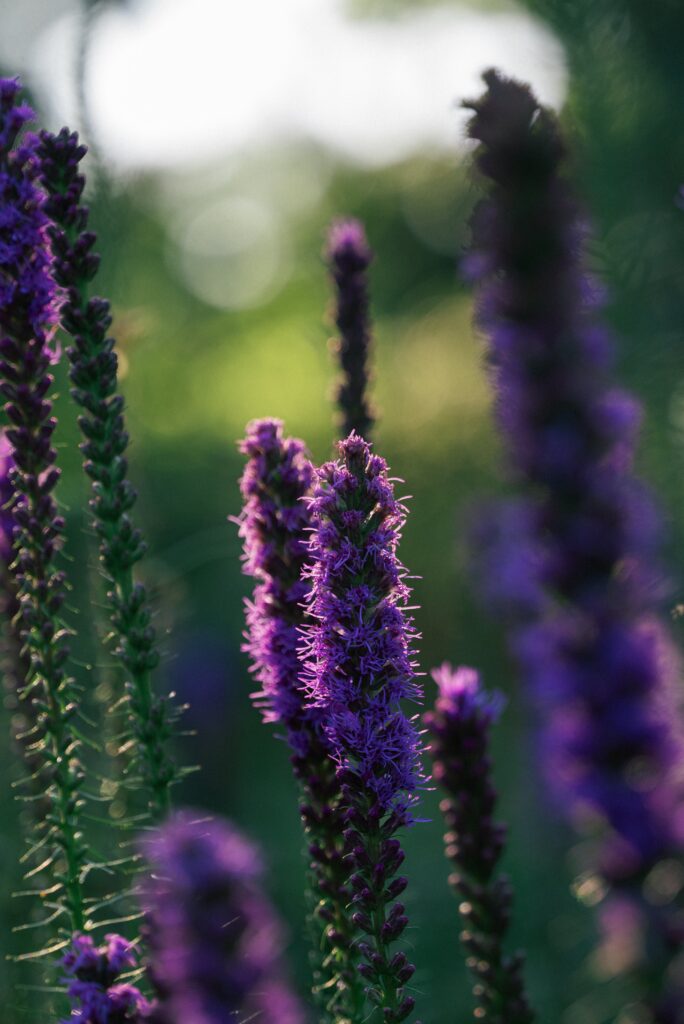
To get a head start on the growing season, start growing blazing stars from seed indoors in seed starter trays.
Choosing or Making a Seed Starting Mix
Select a well-draining, light seed starting mix for Blazing Star seeds. You can also create your own mix using equal parts peat moss, vermiculite, and perlite, ensuring it retains moisture while providing good drainage.
Choosing Containers for Starting Blazing Star
Use shallow cell trays, small pots, or soil blocks for starting seeds, ideally about 2-3 inches deep. Make sure these containers have drainage holes to prevent waterlogging.
Depth to Plant
Sow the seeds at a shallow depth, approximately 1/8 to 1/4 inch. This shallow planting depth is crucial for receiving adequate warmth and light necessary for germination.
Moisture Requirement for Seeds
Keep the seed starting mix consistently moist but not soggy. A spray bottle is perfect for misting the surface gently, ensuring even moisture without overwatering.
Optimal Temperature for Germination
The best temperature for germinating Blazing Star seeds is between 65°F and 70°F (18°C to 21°C). This temperature range should be maintained especially after completing the cold stratification process.
Light Requirements for Germination
Bright, indirect light is essential for the germinating seeds. A sunny windowsill or grow lights are suitable options for ensuring sufficient light exposure.
Time to Germination
Typically, Marsh Blazing Star seeds typically germinate within 2 to 3 weeks under optimal conditions. Meadow Blazing Star seeds usually take slightly longer at 3 to 4 weeks. The timeframe may vary based on the environment.
How to Prepare Garden Bed for Planting Blazing Stars
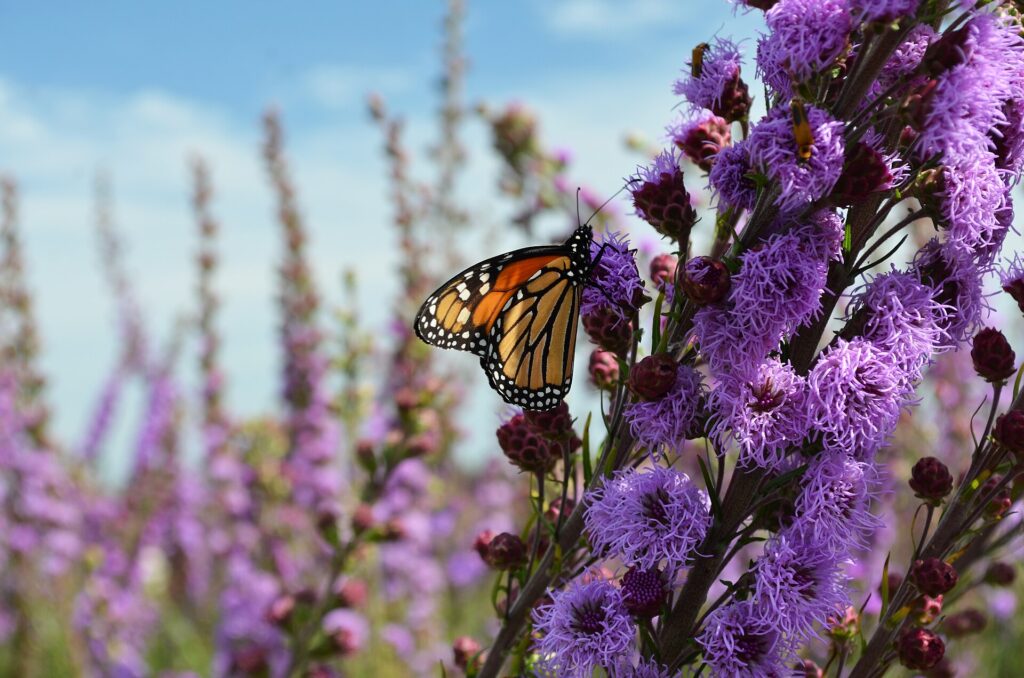
Preparing the garden bed properly is a crucial step in ensuring the successful growth of Blazing Star. Here’s how to do it:
Choosing a Location
When selecting a location for your Blazing Star, consider the following:
Marsh Blazing Star or Liatris spicata
Marsh Blazing Star thrives in full sun and should receive at least six hours of direct sunlight daily for optimal growth and flowering. This species prefers moist soil and is native to marshes and damp meadows. It benefits from a location where the soil retains moisture without becoming waterlogged. Good drainage is essential to prevent root rot, but this species tolerates and even prefers more moisture than its cousin.
Marsh Blazing Star prefers well-drained soil rich in organic matter. The ideal soil pH is slightly acidic to neutral, around pH 6.0 to 7.0. It tolerates clay soil as long as drainage is adequate.
Meadow Blazing Star or Liatris ligulistylis
Meadow Blazing Star thrives in full sun to part sun. It must have dry, well-drained soil and will rot in heavy clay or overly wet conditions. This species is native to the Rocky Mountains and western prairies where soils are lean, sandy, or gravelly. Planting Meadow Blazing Star in heavy clay without significant amendment often results in rot before the plant even emerges.
Meadow Blazing Star prefers lean soil. The ideal soil pH is slightly acidic to neutral, around pH 6.0 to 7.0. Rich, amended soil causes this species to grow even taller and lean over, requiring staking.
Preparing a Garden Bed for Blazing Stars
Once you’ve chosen the right location, follow these steps to prepare the garden bed. Clear the area and remove any weeds, debris, or large stones from the planting area. Gently loosen the soil without turning it over deeply, as both species do well in undisturbed soil structures. Loosening helps with root penetration and drainage.
Marsh Blazing Star or Liatris spicata
If your soil isn’t already rich in organic matter, add compost or well-rotted manure. This amendment improves soil fertility and drainage while helping the soil retain the moisture this species prefers.
Meadow Blazing Star or Liatris ligulistylis
Add sand and only minimal organic matter to heavy soils. Avoid rich soil amendments that will encourage overly tall, leaning growth. This species performs best in lean conditions.
For either species, if a soil test indicates the pH is outside the ideal range, adjust it. Use lime to raise the pH or sulfur to lower it, according to the test recommendations. Smooth out the soil with a rake to create an even surface for planting.
Direct Sowing Blazing Star
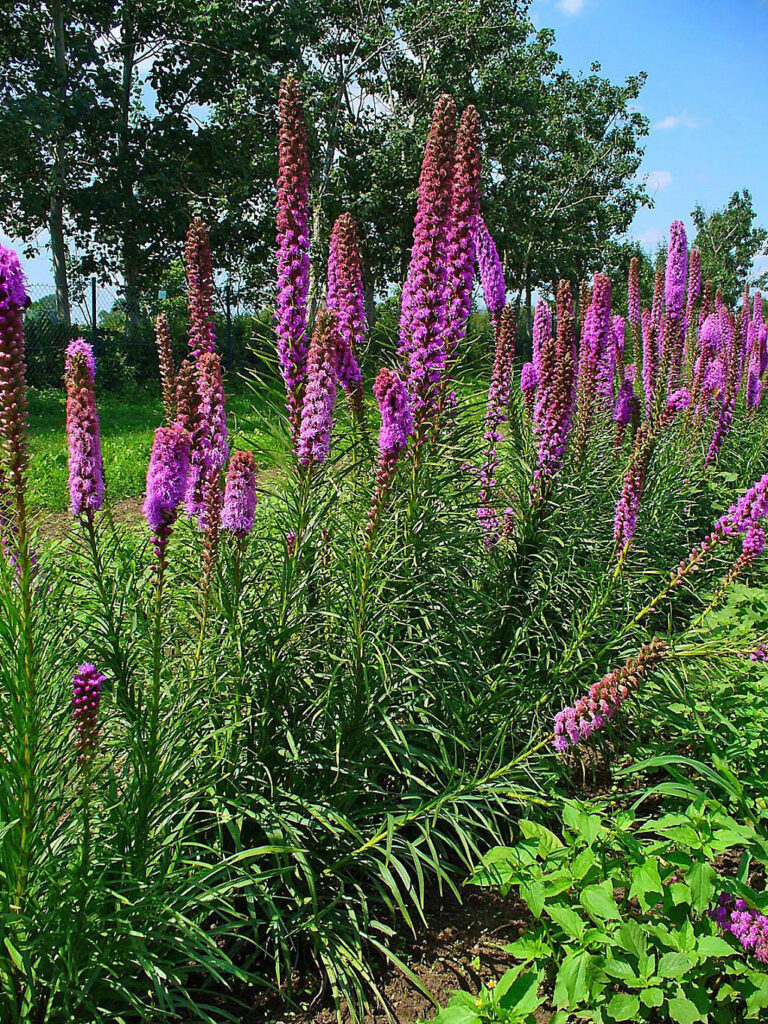

If you decide to direct sow Blazing Star (Liatris spicata) in your garden, follow these instructions to ensure successful planting:
Depth to Plant
Sow the seeds about 1/4 inch deep in the soil. Planting at this depth allows the seeds to receive enough light and warmth, essential for germination.
Spacing
For Marsh Blazing Star, space the seeds or small groups of seeds about 12 to 15 inches apart. For Meadow Blazing Star, space them 15 to 18 inches apart. This spacing gives each plant ample room to grow and develop without overcrowding, accounting for Meadow Blazing Star’s larger mature size.
Watering In After Planting
After sowing, water the area gently but thoroughly. Keep the soil consistently moist, especially during the germination period and early growth stages.
Marsh Blazing Star or Liatris spicata
Continue to keep the soil consistently moist throughout the germination and establishment period.
Meadow Blazing Star or Liatris ligulistylis
Water initially to settle the seeds, but do not keep the soil constantly wet. This species needs moisture to germinate but does not tolerate soggy conditions.
Thinning
Once the seedlings emerge and grow a few inches tall, thin them if necessary. Leave the strongest plants, ensuring they are spaced about 12 to 15 inches apart. Proper thinning reduces competition for nutrients and light.
Mulching
Apply a layer of organic mulch around the seedlings. Mulch helps retain soil moisture, keeps the roots cool, and suppresses weed growth. Use straw, shredded leaves, or bark chips. Use a lighter layer of mulch for Meadow Blazing Star to prevent soil from remaining soggy.
Knowing If Your Blazing Star Starter Plants Are Ready
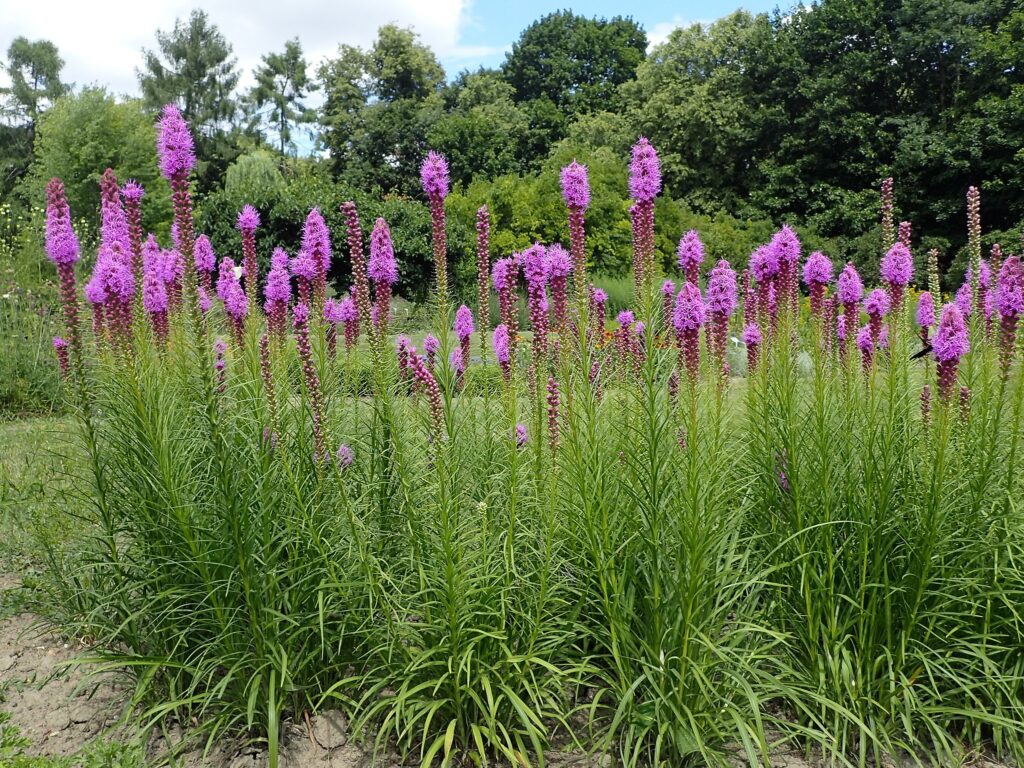

Determining the right time to transplant Blazing Star starter plants into your garden is key to their success. Here’s how to recognize when they are ready:
Size and Development
Starter plants are typically ready for transplanting when they are about 3 to 4 inches tall. At this stage, they should have developed several true leaves. True leaves are the leaves that appear after the initial seed leaves or cotyledons and are a sign of a healthy, developing plant.
Root Growth
Check the root development of the plants in their starter containers. The roots should be well-formed and visible but not excessively crowded or circling the container. Crowded roots may indicate the plant is becoming pot-bound and needs more space to grow.
Overall Health
Assess the overall health and vigor of the plants. They should appear sturdy, upright, and have a vibrant green color. Avoid transplanting if the plants are showing signs of stress, such as yellowing leaves, stunted growth, or wilting.
Once your Blazing Star starter plants exhibit these characteristics, they are ready to be transplanted into your garden. This ensures they have established a strong foundation for growth and are better equipped to handle the transition to a new environment.
Planting Out Blazing Stars
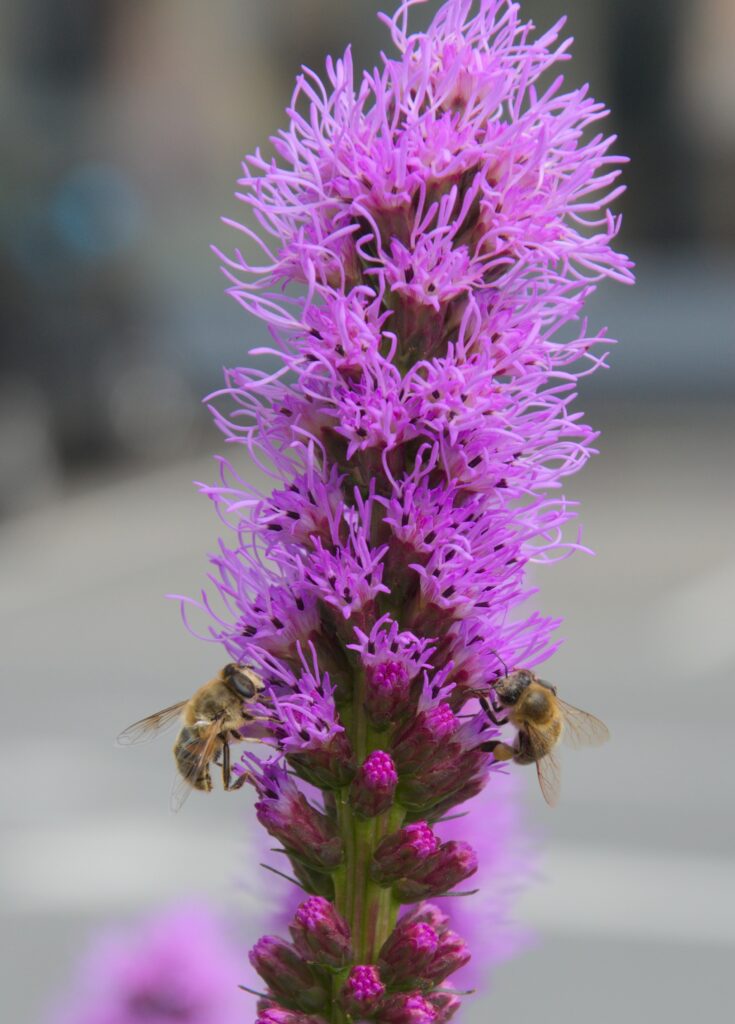
Transplanting Blazing Star (Liatris spicata) starters into your garden requires careful attention to detail to ensure successful establishment. Here’s a step-by-step guide on how to do it:
Depth
Dig holes in your garden bed that are just deep enough to accommodate the root ball of each starter plant. The goal is to plant them at the same depth they were growing in their starter containers. This helps prevent the stem from being buried too deep, which can lead to rot.
Spacing
For Marsh Blazing Star, space the plants about 12 to 15 inches apart. For Meadow Blazing Star, space them about 15 to 18 inches apart. Proper spacing is important as it allows each plant enough room to grow and develop without overcrowding, ensuring adequate air circulation and reducing the risk of disease.
Mulching
After planting, apply a layer of organic mulch around the plants. Mulch helps retain soil moisture, regulate soil temperature, and suppress weed growth. Suitable mulching materials include straw, shredded bark, or leaf mold.
Watering In After Planting
Water the transplanted starters thoroughly immediately after planting. This initial watering helps settle the soil around the roots and eliminates air pockets, which can hinder root growth. Continue to provide consistent moisture, especially during the first few weeks as the plants establish themselves.
Caring for Blazing Star Plants
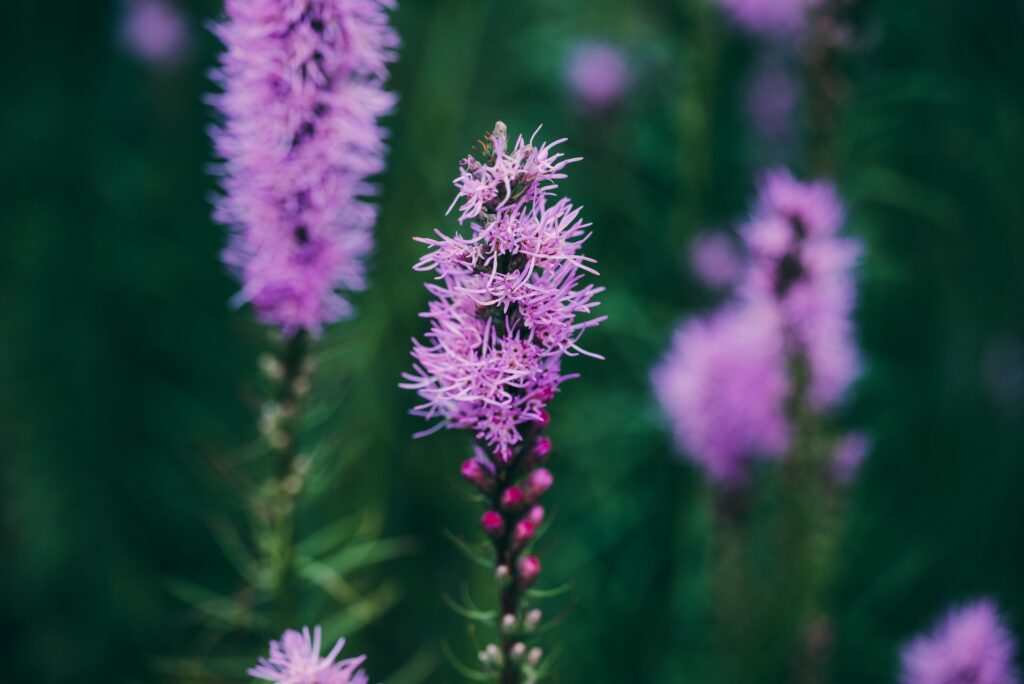
Caring for Blazing Star involves a balance of adequate watering, timely feeding, and regular weeding. These plants are relatively low-maintenance, but attentive care, especially in the first year of growth, ensures vigorous plants and beautiful blooms.
Watering
The watering requirements differ significantly between the two species.
Marsh Blazing Star or Liatris spicata
Marsh Blazing Star is somewhat drought-tolerant once established, but regular watering is important, especially during dry spells and in the first growing season after planting.
Water deeply once a week, allowing the soil to dry out slightly between waterings. This species tolerates and even prefers more moisture than Meadow Blazing Star, but avoid waterlogged conditions as it does not like soggy soil.
Meadow Blazing Star or Liatris ligulistylis
Meadow Blazing Star requires regular watering only during the first growing season while the plant is establishing its extensive root system.
Once established, this species is highly drought-tolerant and should be watered only during severe drought. This species thrives in dry conditions, and overwatering is the primary cause of failure. Soggy soil will cause root rot.
Feeding
Feed Blazing Star plants with a balanced, all-purpose fertilizer in the early spring as new growth appears. If your soil is particularly poor, a second feeding in the early summer can be beneficial. Avoid high-nitrogen fertilizers, as they can encourage foliage growth at the expense of flowers.
Meadow Blazing Star or Liatris ligulistylis prefers lean soil. In rich or heavily amended soil, Meadow Blazing Star plants may grow even taller and lean or require staking. Minimal feeding produces stronger, more upright plants for this species.
Weeding
Keep the area around your Blazing Star plants free of weeds. Weeds compete for nutrients and moisture, which can hinder the growth of your Liatris. Mulching can help suppress weed growth and maintain soil moisture.
Tips and Tricks for Growing Blazing Star
.jpg)
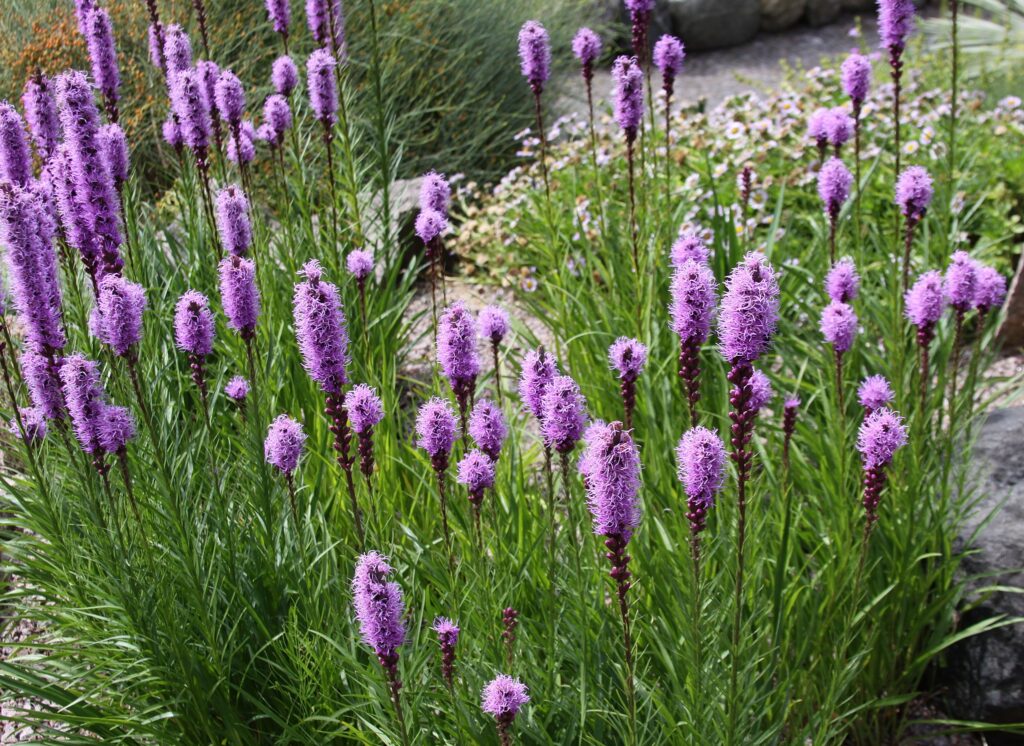
Successfully growing Blazing Star (Liatris spicata) involves some useful gardening practices and organic solutions for common issues. Here are some tips and tricks:
Supports
Marsh Blazing Star typically grows upright and does not usually require support. However, in very windy areas or if the soil is loose, providing support with stakes can help maintain their upright posture. This species usually stays a manageable 2 to 4 feet tall.
Meadow Blazing Star can reach impressive heights of 5 to 7 feet. When grown in its preferred lean, dry soil conditions, it typically stays upright without support. However, if planted in rich or moist soil, these tall plants may lean and require staking. The best approach is to site this species properly in dry, lean soil to avoid the need for staking altogether.
Addressing Pests
Blazing Star is relatively pest-resistant, but you may occasionally encounter aphids or thrips. You can address these pests organically with insecticidal soap or by encouraging beneficial insects like ladybugs in your garden, which feed on aphids.
Avoiding and Treating Disease
This plant is also quite disease-resistant. However, proper spacing and site selection that provides full sun and well-drained soil will minimize most potential problems.
If fungal diseases like powdery mildew do occur, treat them with an organic fungicide or a homemade solution of baking soda and water. Ensure good air circulation around the plants and avoid overhead watering to prevent fungal diseases.
Root rot is the primary concern for Meadow Blazing Star. Prevention is key. Ensure excellent drainage and avoid planting in heavy clay or wet areas. Once root rot occurs, the plant is typically lost.
Blooming Expectations for Blazing Stars
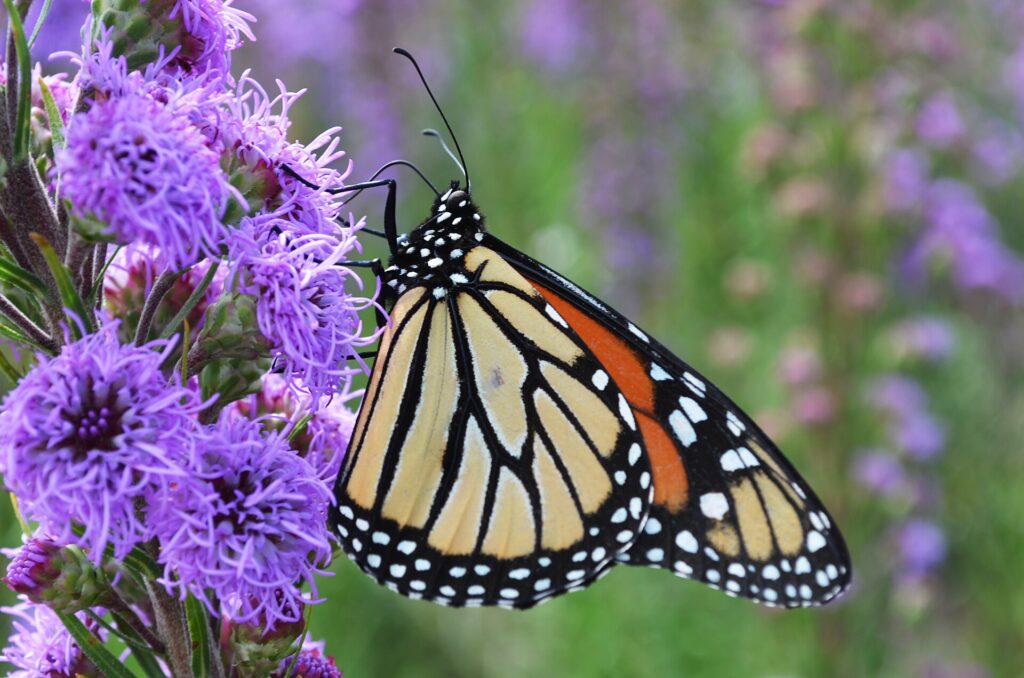
Both Marsh Blazing Star and Meadow Blazing Star typically do not bloom until the second year after planting. The first year is spent developing extensive root systems that will support healthy growth and flowering in subsequent years.
Marsh Blazing Star or Liatris spicata
Marsh Blazing Star blooms from July through September. It attracts bees, butterflies, and some monarch butterflies.
Meadow Blazing Star or Liatris ligulistylis
Meadow Blazing Star blooms in late summer through early fall, making it particularly valuable during the fall monarch butterfly migration.
This species is known as the “ultimate monarch magnet” and is significantly more attractive to monarchs than other Liatris species. It also attracts hummingbirds, bees, and other butterfly species.
How to Harvest Blazing Star for Cut Flowers
_at_Spring_Garden_natural_area_(30971207263).jpg)
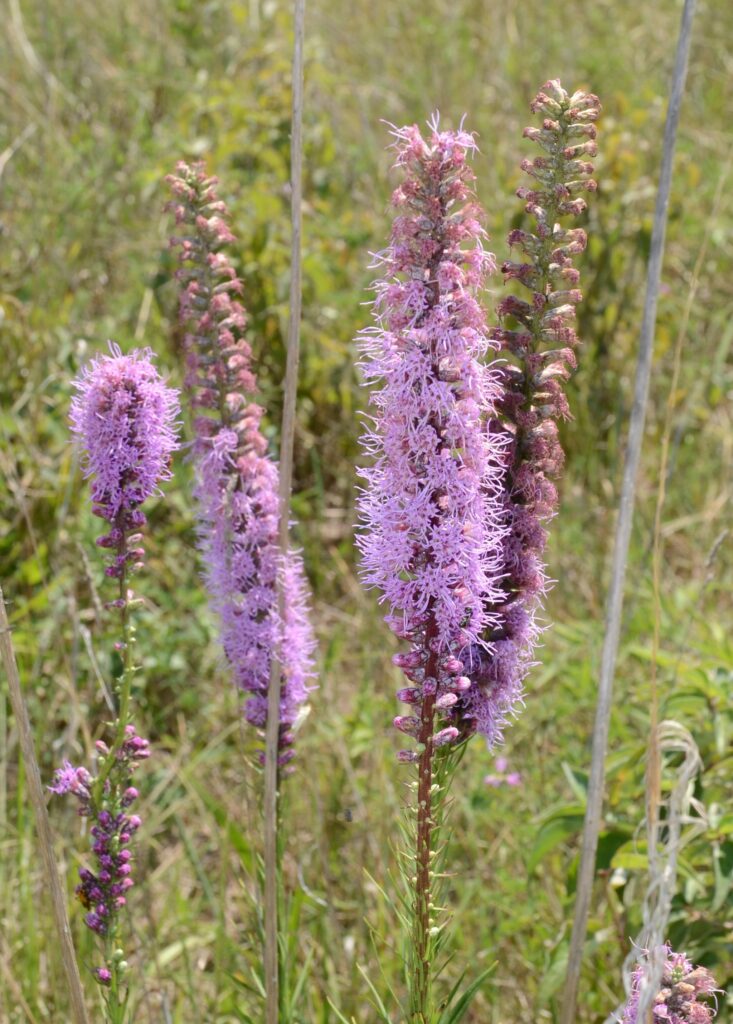
Harvesting Blazing Stars for cut flowers can add a striking element to floral arrangements. Here’s how to do it:
- Choose the Right Time: The best time to cut Blazing Star flowers is in the early morning when the blooms are just starting to open. For Marsh Blazing Star, look for spikes where at least the bottom half of the flowers have opened. For Meadow Blazing Star, look for spikes where at least the bottom third of flowers have opened.
- Cut the Stems: Use sharp, clean shears to cut the stems at the desired length. Cut at an angle to increase the surface area for water uptake.
- Place in Water Immediately: After cutting, place the stems immediately into a bucket of clean water to prevent wilting.
- Condition the Stems: Before arranging them, condition the stems by removing any leaves that would be below the water line to prevent rotting.
- Change Water Regularly: In the vase, change the water every couple of days to keep the flowers fresh.
Both species also dry beautifully. To dry the flowers, hang the spikes upside down in a warm, dry place for about three weeks.
How to Collect Blazing Star Seeds
Collecting seeds from your plants allows you to keep growing blazing stars from seed in additional areas of your garden for free.
After the flowers have faded, wait for the seed heads to dry and turn brown. This usually happens in late summer or early fall.
Gently cut the seed heads from the plant and place them in a paper bag. This will catch any seeds that fall as they continue to dry.
Allow the seed heads to dry in a warm, dry place for a few days. Shake the bag or break apart the seed heads to release the seeds.
Once dry, store the seeds in a cool, dry place until you’re ready to plant them. A paper envelope in a jar or airtight container works well.
Note that birds, especially goldfinches, love blazing star seeds. Harvest promptly to avoid loss, or intentionally leave some seed heads in place over winter to provide food for wildlife.
What to Expect from Blazing Stars Over Winter
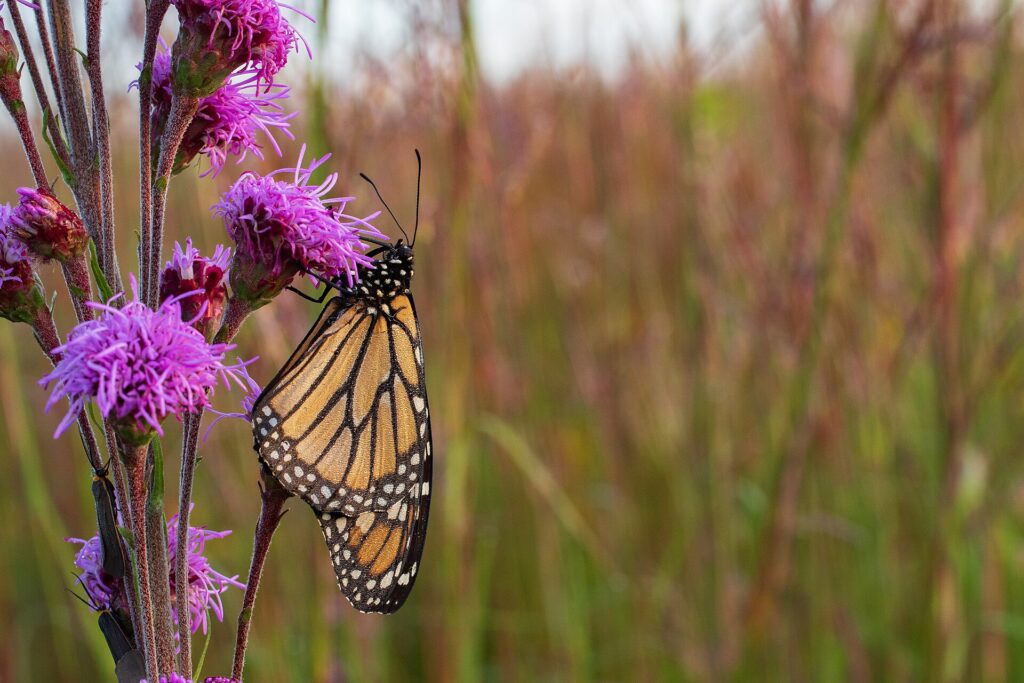
Blazing Stars are hardy perennials that can withstand winter conditions in many climates:
Marsh Blazing Star or Liatris spicata
In Zones 3 through 9, Marsh Blazing Star will die back to the ground in winter. The roots will remain dormant underground and regrow in the spring.
Meadow Blazing Star or Liatris ligulistylis
In Zones 3 through 6, Meadow Blazing Star will die back to the ground in winter. The roots will remain dormant underground and regrow in the spring. Ensure excellent drainage going into winter, as wet winter soil is the primary cause of loss for this species.
For either species, apply a layer of mulch to protect the roots, especially in colder zones.
Leave the dried seedheads in place over winter to provide food for finches and other small birds.
As the weather warms in spring, watch for new shoots to emerge from the ground, signaling the start of a new growth cycle.
Start Growing Blazing Stars From Seed
This striking perennial brings vibrant beauty to your garden. From its tall, elegant purple spikes that attract a myriad of pollinators to its resilience across various climates, Blazing Star stands as a testament to the wonders of nature’s design.
Growing Blazing Stars from seed may seem more challenging than growing annuals. But remember that gardening is not just about the final outcome but also about the growth and learning that happens along the way.